
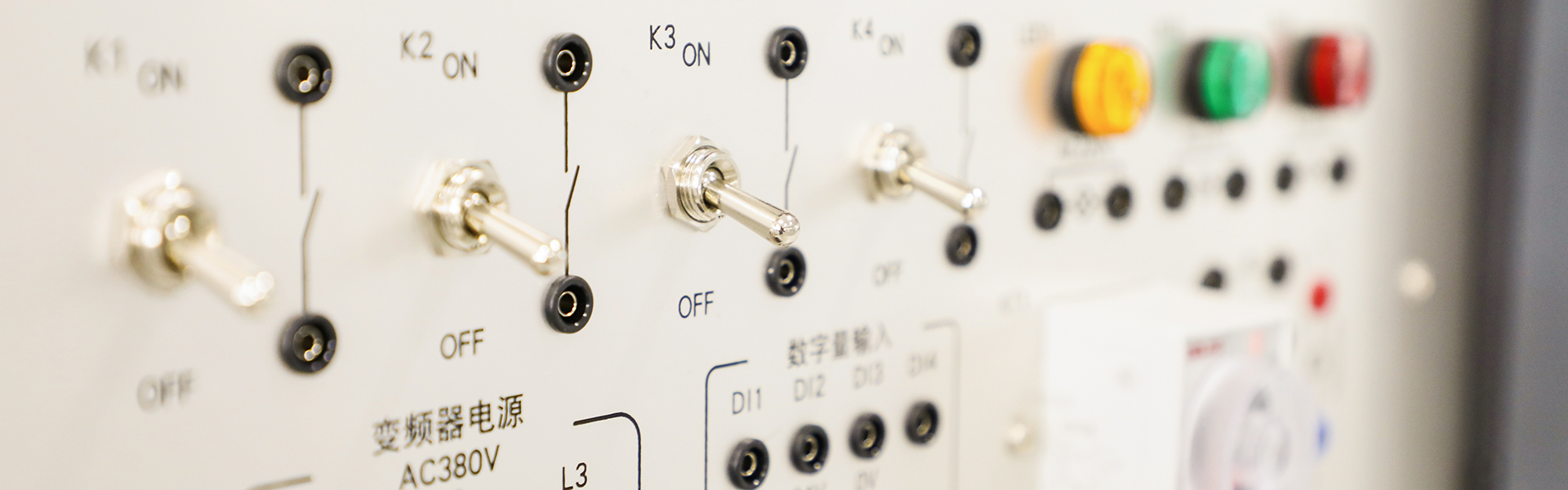
Why Is an Automatic Power Factor Controller Essential for Modern Electrical Systems?
2026-06-12
In today's industrial and commercial environments, energy efficiency is more important than ever. Rising electricity costs, increasing demand for reliable power distribution, and stricter energy regulations have encouraged businesses to optimize their electrical systems. One of the most effective solutions is the Automatic Power Factor Controller (APFC). This intelligent device helps maintain an optimal power factor, reduces energy losses, and improves the overall performance of electrical installations.
Whether used in manufacturing plants, commercial buildings, data centers, or utility substations, an Automatic Power Factor Controller plays a critical role in enhancing power quality and reducing operational costs.
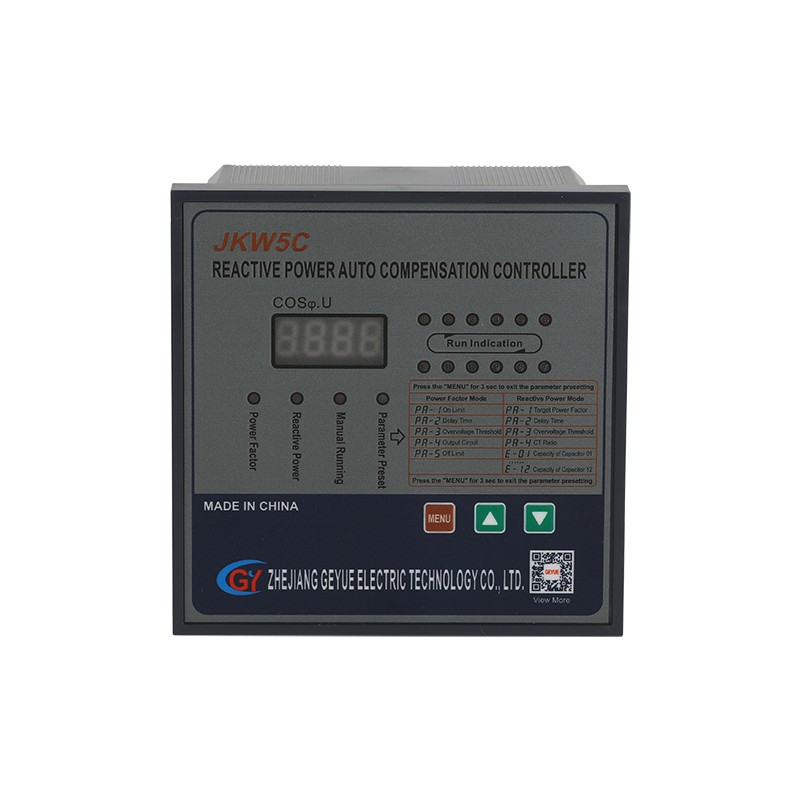
What Is an Automatic Power Factor Controller?
An Automatic Power Factor Controller is an electronic device designed to monitor and regulate the power factor of an electrical system. It automatically switches capacitor banks on or off based on real-time load requirements, ensuring that the power factor remains close to unity (1.0).
Power factor represents the relationship between active power (used to perform work) and apparent power (supplied by the utility). A low power factor can result in higher electricity bills, increased energy losses, and penalties from utility companies.
By continuously adjusting reactive power compensation, an APFC ensures efficient energy utilization and stable system performance.
How Does an Automatic Power Factor Controller Work?
The operation of an APFC is relatively straightforward:
-
The controller continuously measures system voltage and current.
-
It calculates the existing power factor.
-
It determines the amount of reactive power compensation required.
-
Capacitor banks are automatically connected or disconnected.
-
The system maintains the desired power factor level.
This automated process eliminates the need for manual intervention and ensures optimal performance even when electrical loads fluctuate throughout the day.
Key Benefits of Using an APFC
1. Reduced Electricity Costs
Maintaining a high power factor minimizes utility penalties and improves energy efficiency, leading to significant cost savings.
2. Improved System Efficiency
An Automatic Power Factor Controller reduces transmission losses and improves the utilization of electrical infrastructure.
3. Enhanced Equipment Lifespan
Lower current flow means less heat generation, reducing wear and tear on transformers, cables, and switchgear.
4. Increased Available Capacity
Correcting power factor frees up system capacity, allowing businesses to support additional loads without upgrading equipment.
5. Better Voltage Stability
APFC systems help maintain consistent voltage levels, improving the performance of sensitive electrical equipment.
Applications of Automatic Power Factor Controllers
Automatic Power Factor Controllers are widely used in:
-
Manufacturing facilities
-
Commercial buildings
-
Shopping malls
-
Hospitals
-
Data centers
-
Water treatment plants
-
Power distribution networks
-
Renewable energy systems
Any facility with inductive loads such as motors, compressors, pumps, and HVAC systems can benefit significantly from APFC technology.
Important Features to Consider
When selecting an Automatic Power Factor Controller, consider the following features:
| Feature | Importance |
|---|---|
| Real-Time Monitoring | Ensures accurate power factor correction |
| Multiple Capacitor Steps | Provides flexible compensation |
| Digital Display | Simplifies operation and diagnostics |
| Protection Functions | Prevents system damage |
| High Accuracy Measurement | Improves correction efficiency |
| User-Friendly Interface | Easy installation and maintenance |
Choosing a controller with advanced monitoring and protection functions can greatly enhance long-term reliability.
APFC vs Manual Power Factor Correction
| Factor | Automatic Power Factor Controller | Manual Correction |
|---|---|---|
| Operation | Fully automatic | Manual adjustment required |
| Accuracy | High | Moderate |
| Response Speed | Fast | Slow |
| Maintenance | Low | Higher |
| Efficiency | Excellent | Limited |
| Adaptability | Dynamic load compensation | Fixed compensation |
For modern facilities with varying electrical loads, an Automatic Power Factor Controller offers superior performance and efficiency compared to manual solutions.
Why Choose Zhejiang Geyue Electric Technology Co., Ltd.?
As a professional manufacturer in the electrical industry, Zhejiang Geyue Electric Technology Co., Ltd. is committed to delivering high-quality power management solutions. The company focuses on innovation, reliability, and customer satisfaction, providing advanced Automatic Power Factor Controller products that meet international standards.
Key advantages include:
-
Advanced technology and intelligent control systems
-
Reliable product quality
-
Strict manufacturing standards
-
Professional technical support
-
Competitive pricing
-
Customized solutions for diverse industries
By partnering with Zhejiang Geyue Electric Technology Co., Ltd., customers gain access to efficient and dependable power factor correction solutions that help improve operational efficiency and reduce energy costs.
FAQ
What is the ideal power factor?
Most utilities recommend maintaining a power factor between 0.95 and 1.0 for optimal efficiency.
Can an Automatic Power Factor Controller reduce electricity bills?
Yes. By improving power factor and reducing reactive power consumption, businesses can lower utility penalties and improve energy efficiency.
Is APFC suitable for small businesses?
Absolutely. Both small and large facilities can benefit from improved power quality and reduced energy costs.
How often should an APFC system be maintained?
Regular inspections every 6 to 12 months are generally recommended to ensure optimal performance.
What industries benefit most from APFC systems?
Industries with heavy motor loads, manufacturing equipment, HVAC systems, and industrial machinery benefit significantly from automatic power factor correction.
Conclusion
An Automatic Power Factor Controller is an essential component for improving electrical efficiency, reducing operating costs, and enhancing power quality. With automatic reactive power compensation, businesses can achieve better system performance while extending the lifespan of critical electrical equipment.
If you are looking for reliable and high-performance Automatic Power Factor Controller solutions, Zhejiang Geyue Electric Technology Co., Ltd. is ready to help. Our experienced team is committed to providing innovative products and professional support tailored to your specific requirements.
Contact us today to learn more about our Automatic Power Factor Controller solutions and discover how we can help optimize your power management system for maximum efficiency and long-term savings.