
Why Do Electrical Insulation Materials On Dry Type Transformers Matter More Than You Think?
2026-01-04
When I first started working closely with dry type transformer projects, I realized how often insulation is underestimated. In real-world applications, insulation is not a background detail; it defines safety, lifespan, and performance. At Hanyao, many discussions with engineers and buyers naturally lead to one core topic: Electrical Insulation Materials On Dry Type Transformers. These materials quietly determine whether a transformer performs reliably for decades or becomes a maintenance headache far too early.
What problems do users face without the right insulation materials?
From my experience, customers usually reach out after encountering overheating, partial discharge, or unexpected downtime. These problems often trace back to insulation choices made early in the design phase. Electrical Insulation Materials On Dry Type Transformers must withstand thermal stress, electrical load, humidity, and environmental contaminants without degrading.
- Reduced dielectric strength leading to safety risks
- Thermal aging that shortens transformer lifespan
- Noise and vibration caused by poor material stability
- Higher maintenance costs over time
How do insulation materials influence dry type transformer performance?
I often explain this to clients by comparing insulation to a transformer’s immune system. High-quality Electrical Insulation Materials On Dry Type Transformers help maintain stable electrical fields, manage heat dissipation, and prevent internal discharge. When materials are properly selected and processed, the transformer operates more quietly, efficiently, and safely.
At Hanyao, the focus is always on balanced performance. Materials are chosen not only for their dielectric strength but also for their mechanical integrity and thermal endurance across long operating cycles.
Which insulation materials are commonly used and why do they differ?
Different applications call for different insulation structures. In practice, I see clients benefit from understanding how each option behaves under stress rather than relying on generic specifications.
| Material Type | Main Advantage | Typical Application |
|---|---|---|
| Epoxy Resin | Excellent thermal and mechanical stability | Cast coil dry type transformers |
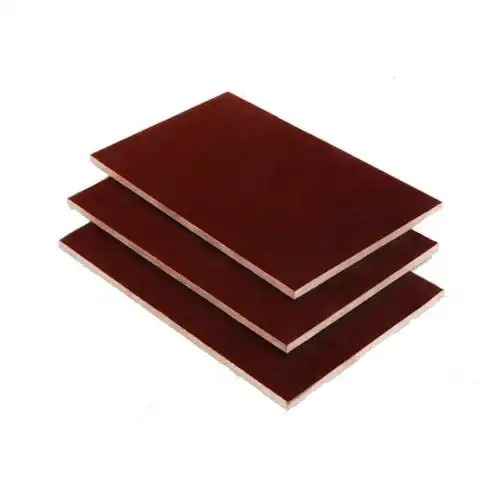
| Nomex Paper | High heat resistance and long service life | High-temperature environments |
| Polyester Film | Good dielectric strength with flexibility | Layer and slot insulation |
| Glass Fiber | Strong mechanical reinforcement | Structural insulation support |
Each of these plays a role in optimizing Electrical Insulation Materials On Dry Type Transformers for different load profiles and operating conditions.
Why should insulation selection match real operating environments?
One mistake I frequently see is choosing insulation based solely on nominal ratings. In reality, factors such as ambient temperature, humidity, installation location, and load fluctuation significantly affect material performance. Reliable Electrical Insulation Materials On Dry Type Transformers must be matched to real conditions, not ideal lab scenarios.
This is where Hanyao takes a practical approach, aligning insulation systems with how transformers are actually used in industrial, commercial, and infrastructure projects.
How does insulation quality reduce long-term costs?
While higher-grade materials may appear to increase upfront cost, they usually lower total ownership expenses. Durable Electrical Insulation Materials On Dry Type Transformers reduce failure rates, extend maintenance intervals, and help maintain stable performance over time.
- Fewer unplanned shutdowns
- Lower replacement and repair costs
- Improved operational safety
- Consistent electrical efficiency
Is it possible to balance safety, efficiency, and sustainability?
Yes, and this balance is becoming increasingly important. Modern Electrical Insulation Materials On Dry Type Transformers are designed to be halogen-free, low-emission, and compliant with global safety standards. From what I see, customers now value materials that support both regulatory compliance and environmental responsibility without sacrificing performance.
Looking for reliable insulation solutions for your dry type transformers?
If you are evaluating insulation options or planning a new transformer project, choosing the right materials early makes a measurable difference. At Hanyao, we focus on delivering insulation systems that perform reliably under real operating conditions. If you would like tailored guidance or technical support, feel free to contact us and leave an inquiry. Our team is ready to help you select the most suitable solution for your application.