
What Makes Tangent Tower Essential for Modern Power Transmission Projects?
2026-05-11
As global energy demand continues to grow, reliable and efficient transmission infrastructure has become a critical part of modern power systems. Among the many components used in transmission line engineering, the Tangent Tower plays a vital role in ensuring structural stability, electrical safety, and long-distance power delivery efficiency. Whether used in urban grids, renewable energy projects, or cross-country transmission systems, Tangent Tower solutions are widely recognized for their strength, adaptability, and cost-effectiveness.
At Qingdao Anbang New Energy Technology Co., Ltd., advanced engineering and high-quality manufacturing processes are applied to create durable Tangent Tower products that meet the demands of modern energy infrastructure. With increasing investment in renewable energy and smart grids, the importance of high-performance transmission towers is becoming more significant than ever.
What Is a Tangent Tower?
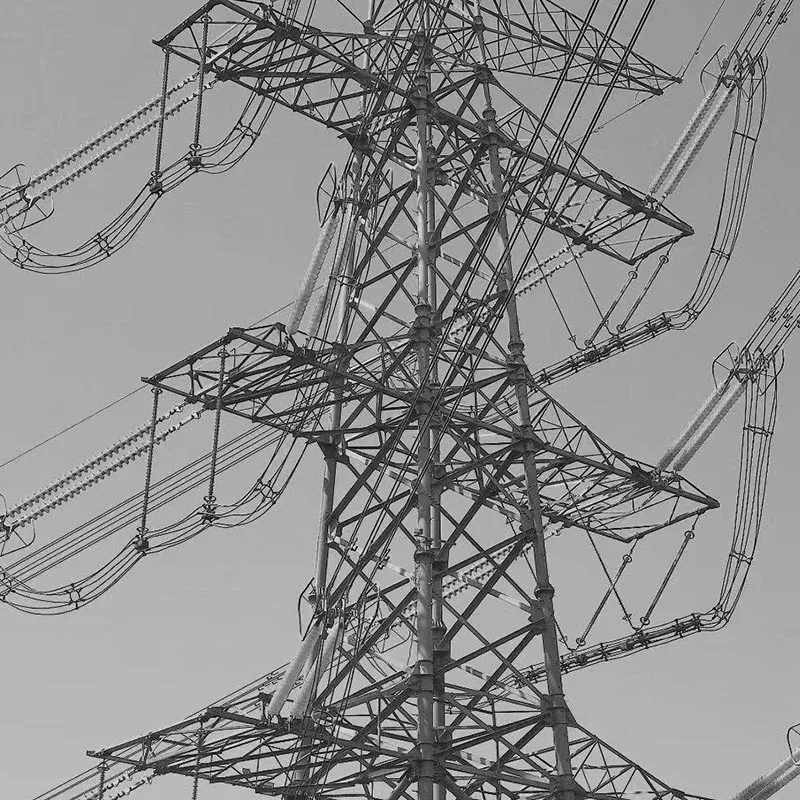
A Tangent Tower is a type of transmission tower primarily designed to support overhead power lines in straight-line sections of transmission routes. Unlike angle towers that handle directional changes, Tangent Towers are optimized for carrying vertical loads and maintaining conductor alignment over long distances.
These towers are commonly used in:
- High-voltage transmission lines
- Renewable energy grid systems
- Urban and rural electrical networks
- Industrial power distribution projects
- Cross-country transmission corridors
Because most transmission routes consist of long straight sections, Tangent Towers are among the most frequently used tower types in power transmission systems.
Key Features of Tangent Tower Structures
Modern Tangent Tower designs are engineered to deliver long-term operational performance while minimizing maintenance requirements.
Main Features
| Feature | Description |
|---|---|
| High Structural Strength | Designed to withstand wind, ice, and environmental loads |
| Corrosion Resistance | Hot-dip galvanized steel improves durability |
| Lightweight Design | Easier transportation and installation |
| Cost Efficiency | Lower material and maintenance costs |
| Flexible Configuration | Suitable for various voltage levels |
These characteristics make Tangent Tower systems highly suitable for demanding outdoor environments.
Why Is Tangent Tower Important in Transmission Systems?
The performance of a transmission network heavily depends on the stability of its supporting structures. A well-designed Tangent Tower provides reliable support for conductors while maintaining safe electrical clearances.
1. Ensures Transmission Stability
Tangent Towers maintain conductor positioning and reduce line movement caused by wind or environmental conditions. This helps ensure uninterrupted power transmission.
2. Supports Long-Distance Power Delivery
Modern energy projects often require electricity to be transmitted across hundreds or even thousands of kilometers. Tangent Towers provide the structural support needed for long-span transmission lines.
3. Enhances Grid Safety
Proper tower engineering reduces the risks of conductor sagging, structural failure, and electrical faults.
4. Improves Renewable Energy Integration
As solar and wind energy projects expand globally, efficient transmission infrastructure becomes essential. Tangent Tower systems help connect renewable energy facilities to national grids.
Common Materials Used in Tangent Tower Manufacturing
The quality of materials directly affects the lifespan and safety of a Tangent Tower.
Frequently Used Materials
- Q235 Steel
- Q355 High-Strength Steel
- Hot-Dip Galvanized Steel
- Weather-Resistant Coated Components
At Qingdao Anbang New Energy Technology Co., Ltd., strict quality control standards ensure every Tangent Tower meets international engineering requirements and performance expectations.
Tangent Tower vs Angle Tower
Many project managers compare Tangent Tower and Angle Tower structures when designing transmission systems.
| Comparison Item | Tangent Tower | Angle Tower |
|---|---|---|
| Main Purpose | Straight-line support | Directional change support |
| Load Type | Vertical load | Vertical + horizontal load |
| Structural Complexity | Simpler | More complex |
| Installation Cost | Lower | Higher |
| Usage Frequency | Higher | Lower |
Both tower types are essential, but Tangent Towers are typically used more extensively due to the large number of straight transmission sections.
How Does Tangent Tower Improve Project Efficiency?
Faster Installation
Prefabricated Tangent Tower components allow quicker assembly and shorter construction timelines.
Reduced Maintenance Costs
Galvanized steel surfaces resist corrosion, minimizing long-term maintenance expenses.
Better Environmental Adaptability
Modern designs can withstand:
- Strong winds
- Heavy rain
- Ice accumulation
- Coastal corrosion
- High-temperature environments
This adaptability ensures reliable operation across different geographical regions.
Applications of Tangent Tower
The application scope of Tangent Tower structures continues to expand alongside global energy infrastructure development.
Main Application Areas
Power Transmission Networks
Used in ultra-high-voltage and high-voltage transmission systems.
Renewable Energy Projects
Essential for wind farms and solar power grid integration.
Industrial Energy Distribution
Supports stable electricity supply for factories and industrial zones.
Rural Electrification
Improves electricity access in remote areas.
Smart Grid Infrastructure
Helps build modern intelligent power distribution systems.
Factors to Consider When Choosing a Tangent Tower Supplier
Choosing the right manufacturer is critical for ensuring project success.
Important Considerations
- Manufacturing Experience
- Material Quality Standards
- Engineering Capability
- International Certification
- Delivery Efficiency
- Technical Support Services
Qingdao Anbang New Energy Technology Co., Ltd. provides customized Tangent Tower solutions tailored to different voltage levels, environmental conditions, and project requirements.
Future Trends of Tangent Tower Technology
As energy infrastructure evolves, Tangent Tower design is becoming increasingly advanced.
Emerging Trends
- Smart monitoring systems
- Lightweight structural optimization
- Higher corrosion resistance
- Eco-friendly manufacturing processes
- AI-assisted structural analysis
- Modular installation systems
These innovations help improve efficiency, safety, and sustainability in transmission projects worldwide.
Benefits of Working with Qingdao Anbang New Energy Technology Co., Ltd.
Professional Engineering Team
Experienced specialists provide customized transmission tower solutions.
Advanced Manufacturing Equipment
Modern production facilities ensure precision and consistency.
Strict Quality Inspection
Comprehensive testing improves reliability and product lifespan.
Global Export Experience
Products are supplied to multiple international markets.
Customized Design Support
Solutions are tailored according to project specifications and environmental conditions.
Frequently Asked Questions About Tangent Tower
What is the main function of a Tangent Tower?
A Tangent Tower supports transmission conductors in straight-line sections of overhead power transmission routes.
What materials are commonly used for Tangent Tower manufacturing?
Galvanized steel and high-strength structural steel are commonly used for durability and corrosion resistance.
Are Tangent Towers suitable for renewable energy projects?
Yes. Tangent Towers are widely used in solar farms, wind farms, and renewable energy transmission systems.
How long can a Tangent Tower last?
With proper galvanization and maintenance, a Tangent Tower can operate reliably for several decades.
Why is galvanization important?
Galvanization protects steel structures from rust and environmental corrosion, extending service life significantly.
Conclusion
The Tangent Tower remains one of the most essential components in modern power transmission infrastructure. Its ability to provide stable conductor support, reduce maintenance costs, and adapt to different environmental conditions makes it indispensable for energy projects worldwide. As renewable energy expansion and smart grid construction continue accelerating, the demand for high-quality Tangent Tower solutions will only increase.
With strong engineering expertise, advanced manufacturing capabilities, and a commitment to quality, Qingdao Anbang New Energy Technology Co., Ltd. continues to provide reliable Tangent Tower solutions for global energy infrastructure projects.
If you are looking for durable, efficient, and customized transmission tower solutions, contact us today to learn how our professional team can support your next power transmission project.