
What is the Difference Between Cast Resin and Vacuum Pressure Encapsulated Dry Type Transformers
2026-01-26
When selecting a Dry Type Transformer for your critical power distribution needs, understanding the core construction technologies is paramount. Two primary methods dominate the market: Cast Resin and Vacuum Pressure Encapsulation (VPE). Both offer the inherent safety and environmental benefits of a Dry Type Transformer, but their design philosophies differ significantly. At Lugao, we engineer both types to ensure optimal performance, reliability, and longevity for diverse applications, from commercial buildings to industrial plants.
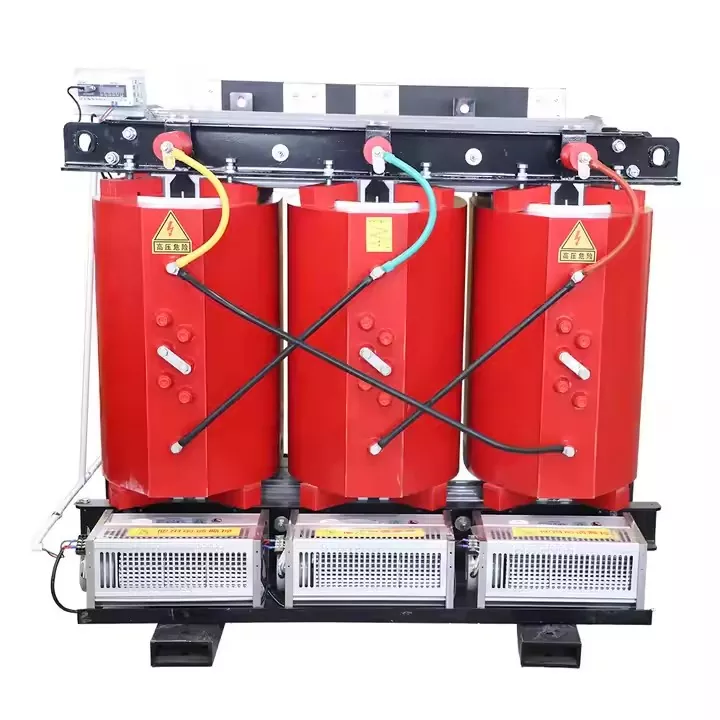
The fundamental difference lies in how the transformer’s windings are insulated and protected. Here’s a detailed comparison:
Cast Resin Dry Type Transformers
-
Process: The windings are cast in a mold using a mixture of epoxy resin, hardener, and fillers under atmospheric or low pressure.
-
Structure: Forms a solid, monolithic insulation block around the conductors.
-
Key Characteristics: Excellent resistance to moisture, chemicals, and corrosive environments. Superior mechanical strength and crack resistance.
-
Typical Applications: Highly demanding environments like chemical plants, marine applications, offshore platforms, and coastal areas with high humidity or salt-laden air.
Vacuum Pressure Encapsulated (VPE) Dry Type Transformers
-
Process: The wound core is placed in a tank, which is evacuated of air before being impregnated with epoxy resin under high pressure.
-
Structure: The resin penetrates deeply into every crevice of the winding, creating a void-free encapsulation.
-
Key Characteristics: Exceptional protection against partial discharge, leading to enhanced electrical integrity and thermal conductivity. Excellent for thermal cycling.
-
Typical Applications: Heavy industrial use, mining, utility substations, and any setting requiring robust performance under frequent load fluctuations.
For a quick technical overview, refer to the table below:
| Feature | Cast Resin Transformer | Vacuum Pressure Encapsulated (VPE) Transformer |
|---|---|---|
| Insulation Process | Casting in a mold at atmospheric/low pressure | Vacuum evacuation followed by high-pressure impregnation |
| Winding Protection | Solid, thick external layer of resin | Deep, void-free penetration of resin into winding |
| Key Advantage | Superior mechanical & environmental protection | Superior electrical integrity & thermal performance |
| Best For | Harsh, corrosive, or humid environments | Stable, long-life performance under electrical stress |
Dry Type Transformer FAQ
Q: What is the main maintenance required for a Dry Type Transformer?
A: Compared to oil-filled units, Dry Type Transformers require minimal maintenance. Primary tasks include keeping the unit clean and dust-free, ensuring cooling vents are unobstructed, checking for unusual noises, and performing periodic thermographic scans to identify hot spots.
Q: Can a Dry Type Transformer be installed outdoors?
A: Yes, but it requires a suitable enclosure (typically IP54 or higher) to protect against rain, moisture, and extreme environmental conditions. Lugao provides specially designed outdoor-rated enclosures for both our cast resin and VPE transformers to ensure reliable operation.
Q: How does a Dry Type Transformer contribute to fire safety?
A: Since they use air or solid resin as insulation instead of combustible mineral oil, Dry Type Transformers pose a significantly lower fire risk. They are self-extinguishing and do not release toxic fumes, making them ideal for indoor installations like hospitals, schools, and high-rise buildings.
Choosing the right transformer technology—whether robust Cast Resin or electrically superior VPE—is crucial for your system’s efficiency and safety. At Lugao, our expertise lies in guiding you through this selection with precision, offering high-performance Dry Type Transformer solutions tailored to your specific operational demands.
Contact us today for a detailed consultation. Let our engineering team help you specify the perfect transformer for your project’s reliability and success.