
How Does the Design of a Pad Mounted Transformer Improve Electrical Grid Reliability
2026-02-28
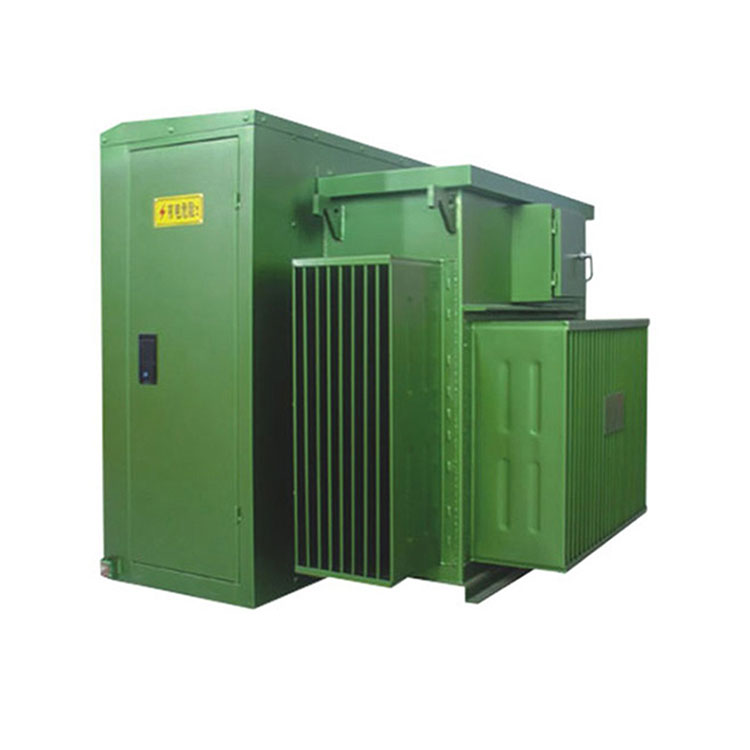
In the modern landscape of power distribution, the Pad Mounted Transformer has become a cornerstone for utility companies and commercial developers seeking durability and consistent performance. At CONSO·china, we understand that the architecture of these units is specifically engineered to mitigate common points of failure in the electrical grid. By combining robust construction with advanced safety protocols, the Pad Mounted Transformer ensures that power delivery remains uninterrupted even under stressful environmental or operational conditions.
Key Design Features That Enhance Grid Stability
The reliability of a Pad Mounted Transformer is not accidental; it is the result of deliberate engineering choices. Below is a breakdown of the critical design elements that contribute to a more resilient electrical infrastructure.
| Design Feature | Functional Benefit | Impact on Grid Reliability |
|---|---|---|
| Dead-Front Design | Completely enclosed terminations prevent accidental contact with live parts. | Reduces outage risk caused by wildlife interference or human error. |
| Radial vs. Loop Feed | Loop feed configurations allow for power supply from two directions. | Enables quick service restoration by isolating faulted sections without de-energizing the entire line. |
| Stainless Steel Construction | High-grade enclosures resist corrosion, UV radiation, and physical impacts. | Ensures long-term structural integrity in harsh weather, preventing outages due to equipment failure. |
| Mineral Oil Insulation | Provides superior dielectric strength and cools internal components efficiently. | Maintains performance under peak load conditions, reducing the risk of thermal breakdown. |
The Role of Subsurface Protection
While the external tank provides physical protection, the internal design of a Pad Mounted Transformer focuses on electrical stability. The core and coil assemblies are typically submerged in dielectric fluid, which not only insulates but also dissipates heat generated during high demand. This thermal management is crucial for grid reliability; overheating is a primary cause of transformer aging and failure. By maintaining optimal operating temperatures, these transformers reduce the frequency of maintenance shutdowns and extend the lifespan of the grid asset.
FAQ: Common Questions About Pad Mounted Transformer Reliability
To further illustrate the advantages of this technology, here are answers to frequently asked questions regarding the Pad Mounted Transformer.
Q: How does a Pad Mounted Transformer protect against power surges caused by lightning?
A: A Pad Mounted Transformer is equipped with integrated surge arrestors, typically mounted internally or on the high-voltage bushing. These devices act as pressure relief valves for electricity. When a voltage spike occurs, the arrestors divert the excess energy safely to the ground before it can enter the transformer windings. This prevents internal arcing and insulation breakdown, ensuring the transformer survives storm events that would otherwise cause long-term grid blackouts.
Q: Can the design of a Pad Mounted Transformer prevent outages during extreme flooding?
A: Yes, specifically through the use of hermetically sealed designs offered by manufacturers like CONSO·china. Unlike ventilated units, a pad mounted transformer designed for high-reliability features fully welded tanks and gasketed covers that are watertight. Even if the unit is temporarily submerged during a flood, the internal components and dielectric fluid remain uncontaminated by water or debris, allowing the grid to resume operation immediately once floodwaters recede without needing to replace the transformer.
Q: Why is the "loop feed" feature important for grid reliability?
A: The loop feed design allows a Pad Mounted Transformer to be inserted into a continuous loop of underground cable. If a fault occurs on one side of the loop, utility workers can operate internal switches to isolate the damaged cable section. Power is then rerouted from the opposite direction to feed the transformer. This design means that a single cable fault does not leave customers stranded; power is restored in minutes rather than hours while repairs are conducted safely.
Conclusion
The evolution of the Pad Mounted Transformer from a simple voltage converter to a sophisticated grid asset highlights the importance of thoughtful design in energy security. From corrosion-resistant enclosures to intelligent switching capabilities, these units are built to withstand the challenges of modern electricity demand.
If you are looking to upgrade your distribution network with high-reliability equipment, look no further than CONSO·china. Contact us today to discuss your project requirements and discover how our engineering solutions can power your future.