
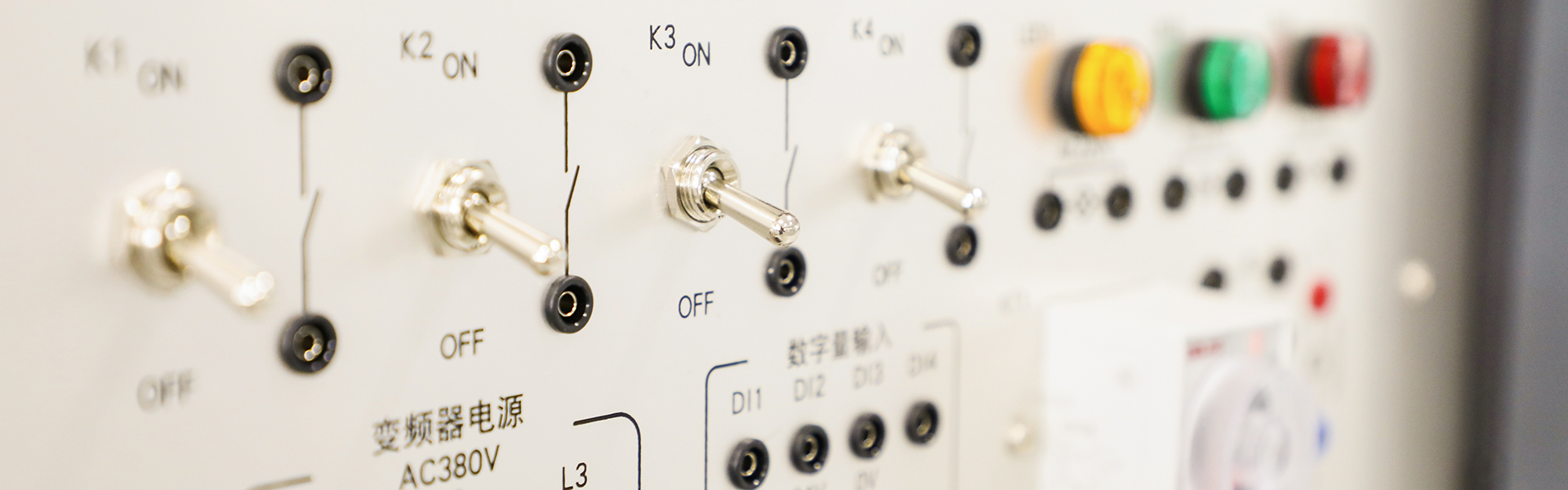
How Does a Thyristor Power Supply Optimize Industrial Power Control?
2025-12-05
A Thyristor Power Supply is a controllable, high-efficiency power conversion solution widely used in electroplating, induction heating, battery charging, smelting, chemical processing, power distribution, and precision manufacturing. It relies on silicon-controlled rectifiers (SCRs) to adjust voltage and current with exceptional accuracy, creating a stable, reliable energy flow for processes where performance and safety are crucial.
How Does a Thyristor Power Supply Work? Key Features and Technical Parameters
A Thyristor Power Supply functions through phase-controlled rectification. By controlling the conduction angle of SCRs, the system regulates the output voltage and current in real time. This level of control ensures low harmonic distortion, minimal power losses, and stable output even in settings where loads fluctuate.
Industries rely on this technology because it directly influences productivity, energy efficiency, thermal stability, and overall product quality.
Core Benefits
-
High efficiency due to reduced switching losses
-
Precise output control for sensitive industrial applications
-
Flexible operation modes, including constant voltage, constant current, and constant power
-
Strong overload tolerance and excellent heat dissipation
-
Long service life due to robust SCR-based architecture
-
Compatibility with automation such as PLC, DCS, and smart factory systems
Technical Specifications Table
| Parameter Category | Specification Details |
|---|---|
| Input Voltage Range | 220V / 380V / 480V / 690V AC, 3-phase |
| Output Voltage | 0–500V DC adjustable (custom ranges available) |
| Output Current | 0–5000A DC adjustable (custom high-current models optional) |
| Control Method | SCR phase-control rectification |
| Cooling Method | Air cooling / Forced air / Water cooling |
| Regulation Modes | Constant Voltage (CV), Constant Current (CC), Constant Power (CP) |
| Efficiency | ≥ 90% typical |
| Power Factor | ≥ 0.95 with power factor correction |
| Protection Functions | Overcurrent, overvoltage, phase loss, short-circuit, overheating |
| Communication Interfaces | RS485, Modbus, CAN, Profibus, optional Ethernet |
| Start-up Method | Soft-start for load protection |
| Customization | Structural design, cabinet type, current level, voltage range |
This structured overview demonstrates the engineering precision behind Thyristor Power Supplies and offers industrial operators a technical foundation to match system capabilities with project requirements.
How Do Thyristor Power Supplies Improve Operational Efficiency and Industrial Performance?
The question of how this technology elevates industrial operations goes beyond basic power delivery. Its impact is rooted in several layers of performance control, energy savings, product uniformity, and system compatibility.
How They Improve Energy Efficiency
Thyristor Power Supplies reduce unnecessary power consumption by modulating current flow according to real-time load demands. Phase control minimizes switching losses and heat generation, allowing equipment to maintain stable output with reduced energy waste. Lower operating temperatures also extend component life, reducing maintenance frequency and long-term operating costs.
How They Enhance Output Precision
SCR regulation enables fine tuning of voltage and current, maintaining consistent quality in processes such as:
-
Electrolytic polishing
-
Metal plating
-
Induction heating
-
Chemical smelting
-
Battery formation
-
Semiconductor manufacturing
This level of accuracy ensures coated surfaces are uniform, heating curves are predictable, and electrochemical reactions proceed under optimal conditions.
How They Strengthen Equipment Safety
Built-in protections such as short-circuit shut-down, overload limiting, grounding checks, and temperature monitoring reduce risks during heavy industrial applications. Soft-start mechanisms protect sensitive loads and eliminate damage from sudden current surges.
How They Support Automation and Industry 4.0
Modern production lines require seamless integration with digital control systems. Thyristor Power Supplies integrate easily into:
-
Distributed control systems (DCS)
-
Programmable logic controllers (PLC)
-
Remote monitoring platforms
-
Smart factory data networks
Real-time data reporting allows operators to track performance, predict failures, and achieve long-term process optimization.
How Will Thyristor Power Supplies Evolve? Trends, Applications, and Industry Outlook
Thyristor Power Supplies continue to evolve as demand increases for energy-efficient, environmentally responsible, and digitally connected power solutions. Several trends are defining their future development:
Trend 1: Higher Power Density
Industries require more compact systems capable of delivering higher output.
Future Thyristor Power Supply designs are shifting toward:
-
Denser SCR modules
-
Improved thermal pathways
-
Smaller, more efficient heat exchangers
This trend supports factories where installation space is extremely limited.
Trend 2: Integration with Smart Energy Platforms
The rise of smart grids and real-time energy monitoring demands more communication capabilities.
Enhanced integration will allow systems to automatically:
-
Adjust power consumption
-
Optimize output based on energy pricing
-
Participate in demand response programs
Such developments make these power supplies a key part of modern energy management.
Trend 3: Expansion into New Industrial Sectors
Beyond electroplating and heating, applications are expanding into:
-
Hydrogen production
-
Battery recycling
-
High-precision metallurgy
-
Advanced material synthesis
These emerging industries require stable, adjustable DC output, making SCR-controlled systems an ideal match.
Trend 4: Environmental and Energy Regulations
Regulators continue to enforce stricter standards for industrial power consumption.
Thyristor Power Supplies support compliance by offering:
-
High efficiency
-
Reduced harmonic distortion
-
Lower thermal emission
-
Stable load management
Their role in sustainability will remain essential as global carbon-reduction initiatives intensify.
Frequently Asked Questions
Q1: How does a Thyristor Power Supply differ from a switching power supply?
A: A Thyristor Power Supply uses SCR phase control to regulate power, providing excellent performance for high-current and heavy-industrial applications. It offers superior durability, better overload tolerance, and smoother control of large power loads. Switching power supplies, while more compact, are less suited for extremely high currents and harsh industrial environments. Thyristor systems excel in electrochemical processes, heating systems, and applications requiring long operating cycles and high reliability.
Q2: How can operators choose the correct Thyristor Power Supply model for industrial use?
A: Selection depends on several factors: required output voltage and current, duty cycle, load characteristics, cooling conditions, communication needs, and installation environment. Evaluating load types—such as resistive, inductive, or electrochemical—ensures the system's regulation mode matches operational requirements. Consulting technical parameters such as power factor, efficiency, protection features, and cooling structure helps ensure the supply achieves long-term stability and efficiency.
Why This Technology Matters and Where to Find Expert Support
Thyristor Power Supplies play a decisive role in modern industrial operations by delivering accurate, stable, and efficient power control. Their engineering advantages support consistent output quality, protect equipment, reduce energy consumption, and enhance automation compatibility. As industries evolve toward smarter, more sustainable infrastructures, the role of thyristor-based systems will continue expanding across traditional and emerging sectors.
For organizations seeking high-quality, reliable, and customizable solutions, Yangzhou Kaihong Power Technology Co., LTD. provides advanced Thyristor Power Supply systems built for demanding industrial environments.
To explore product specifications, customization options, and technical support, contact us to receive professional guidance tailored to project requirements.