
How Do Explosion Proof Walkie Talkies Enhance Safety and Communication in High-Risk Worksites?
2025-12-11
Explosion proof walkie talkies are engineered for communication in hazardous environments where flammable gases, combustible dust, volatile chemicals, or explosive particulates may be present. These devices are built to prevent internal sparks, heat, or electrical surges from igniting the surrounding atmosphere, ensuring both operational continuity and personnel safety.
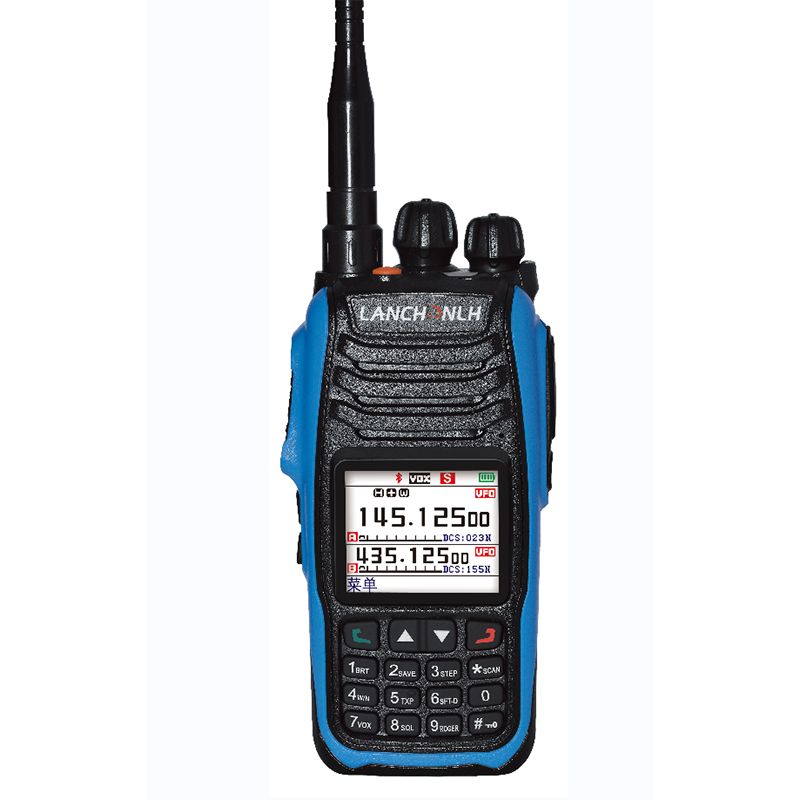
To present a technical snapshot, the following parameters illustrate the typical configuration of a high-grade explosion proof walkie talkie designed for petrochemical facilities, mining operations, offshore platforms, and emergency response environments:
| Parameter | Technical Description |
|---|---|
| Explosion Proof Standard | ATEX, IECEx, Class I Division 1, Class II Division 1 compliant enclosure |
| Frequency Range | VHF 136–174 MHz / UHF 400–470 MHz |
| Output Power | 1–5W adjustable for distance and battery optimization |
| Battery Capacity | 2200–3500 mAh Li-ion, extended runtime 10–17 hours |
| Waterproof/Dustproof | IP67 or IP68 ingress protection |
| Operating Temperature | -20°C to +55°C depending on certification |
| Material Structure | Anti-static, flame-retardant, high-impact polycarbonate shell |
| Audio Output | 1W–1.5W high-fidelity loudspeaker for noisy environments |
| Emergency Alarm | Configurable SOS, lone worker, man-down features |
| Encryption | Advanced digital voice scrambling / AES-grade encryption |
| Compatibility | Analog + Digital (DMR Tier II) interoperability |
| Accessories | Explosion-proof battery, microphone, earpiece, charger |
Across the following sections, the article examines in depth several questions that align with high-volume search behaviors, providing structured analysis for industry procurement specialists, safety engineers, and communication system planners.
How Do Explosion Proof Walkie Talkies Mitigate Ignition Risks in Volatile Industrial Environments?
Explosion proof walkie talkies are specifically engineered to operate in atmospheres containing methane, hydrocarbon vapors, coal dust, chemical particulates, or industrial aerosols that could ignite under exposure to heat or electrical arcing. The radios use sealed housings, isolated circuitry, and temperature-controlled components that prevent ignition sources from escaping the device enclosure. Materials such as anti-static polymers reduce surface charge, and pressure-resistant casings ensure that even if an internal fault occurs, no external ignition risk is introduced.
Industrial plants often face challenges involving confined spaces, variable humidity, and electrically noisy environments. Explosion proof walkie talkies maintain reliable communication by deploying enhanced shielding, stable RF output, and high-durability antennas optimized for signal penetration around metal structures. This mitigates the risk of miscommunication—one of the leading contributors to accidents in hazardous facilities.
Furthermore, the certification frameworks defining explosion proof suitability are rigorous. ATEX and IECEx standards classify zones based on exposure probability, while North America uses the Division and Class system. Radios labeled for Class I Division 1 or Class II Division 1 are safe for operation where explosive substances are continuously or frequently present. This classification determines appropriate materials, circuitry limits, and thermal thresholds.
How Can Organizations Select the Right Explosion Proof Walkie Talkie for Petroleum, Mining, and Chemical Worksites?
Selection criteria must consider operational context, environmental stressors, communication architecture, and compliance requirements. For petroleum and gas sites, where hydrogen sulfide, methane, and volatile hydrocarbons may be common, ATEX Zone 1 or Class I Div 1 radios are typically mandatory. Mining environments require radios capable of handling heavy dust loading, shock impact, and long-duration operation underground. Chemical manufacturing requires resistance to corrosive atmospheres and compatibility with plant-wide digital dispatch systems.
The adoption of DMR digital platforms offers extended battery life, clearer audio, secure channels, group calling, and remote monitoring, which are critical for coordinated operations across wide industrial footprints. A dual-mode analog/digital radio provides compatibility with legacy systems during phased upgrade cycles.
Accessories play a crucial role: intrinsically safe batteries maintain certification integrity, while explosion-proof speaker microphones and earpieces allow hands-free operation in confined or PPE-restricted zones. Rugged charging docks with thermal monitoring ensure safe recharging in controlled areas.
How Are Technological Advancements Shaping the Future of Explosion Proof Communication Equipment?
Emerging advancements center around sensor integration, location intelligence, cybersecurity reinforcement, and digital interoperability. Next-generation explosion proof walkie talkies are incorporating:
-
Real-time worker health and environmental sensing (temperature, gas concentration, fall detection).
-
Broadband bridging that integrates narrowband radio with LTE/5G for hybrid communication models.
-
Enhanced encryption engines to secure industrial communication networks against intrusion.
-
Advanced noise suppression powered by machine processing techniques to maintain clarity in high-decibel environments.
-
Modular accessory ecosystems enabling adaptive use cases across industrial sectors.
These developments support predictive maintenance, operational analytics, and improved situational awareness. Future standards will likely demand broader testing thresholds, environmental sustainability considerations, and wireless coexistence compatibility as industrial facilities modernize their digital infrastructure.
Common Questions About Explosion Proof Walkie Talkies
Q1: What distinguishes explosion proof walkie talkies from general industrial radios?
Explosion proof walkie talkies are engineered with intrinsically safe circuit design, flame-retardant materials, gas-sealed housings, and thermal control mechanisms that prevent ignition sources from interacting with the ambient hazardous environment. General industrial radios lack this containment engineering and are unsuitable for locations where flammable gases, dust, or vapors are consistently present.
Q2: Why is certification critical when deploying communication devices in hazardous areas?
Certification ensures that the device meets strict third-party testing criteria regarding ignition risk, temperature limits, electrical stability, and enclosure integrity. ATEX, IECEx, and Class/Division certifications confirm the radio can legally and safely operate in environments where explosive substances exist. Using uncertified equipment in such environments introduces safety violations, operational liability, and potentially catastrophic risk.
Comprehensive Analysis of Deployment Practices Across Industries
Hazard-prone sectors such as oil refining, gas exploration, mining, maritime shipping, and emergency response rely on explosion proof walkie talkies as central components of their safety communication ecosystems. Several deployment patterns are common:
1. Petrochemical and Gas Processing Plants
These plants require uninterrupted communication across control rooms, processing units, tank farms, and loading terminals. Explosion proof walkie talkies ensure safe coordination of flaring procedures, maintenance shutdowns, confined-space entry, and emergency response. High-output speakers support intelligible communication amid compressor noise and industrial vibration.
2. Underground and Surface Mining
Mining demands radios with superior dust resistance, shock absorption, and long-range propagation through rock formations. Explosion proof equipment ensures methane pockets, coal dust, and blasting operations do not interact with electrical discharge. Lone-worker protection and man-down alerts are critical safety features in these settings.
3. Chemical Manufacturing Facilities
Chemical sites often handle solvents, oxidizers, and fine particulates that require stringent communications control. Explosion proof walkie talkies must resist corrosion and maintain predictable performance during temperature and humidity swings. Digital modes enhance plant-to-warehouse coordination, fire brigade operations, and remote equipment monitoring.
4. Marine, Port, and Offshore Platforms
Offshore equipment faces salt spray, wind load, metal interference, and explosive vapors from drilling operations. Explosion proof walkie talkies ensure safe communication during crane lifts, deck operations, emergency drills, and weather response. IP67/IP68 ratings protect against immersion and storm conditions.
How Do Explosion Proof Walkie Talkies Support Integrated Safety Protocols?
Explosion proof walkie talkies operate as part of a broader operational safety framework that includes gas detection systems, evacuation protocols, lockout/tagout processes, and emergency alarms. Their integration with dispatch consoles allows supervisors to monitor team position, communication status, channel traffic, and emergency alerts.
Industrial sites now increasingly deploy radio-over-IP (RoIP) gateways, enabling remote command centers to interact with on-site teams through hardened digital networks. This facilitates coordinated emergency responses, especially in facilities with extensive physical footprints or multiple hazard zones.
A notable advantage of explosion proof walkie talkies is their predictable performance during power interruptions. Battery resilience ensures communication continuity when wired systems fail, supporting emergency response teams during facility shutdowns, fires, or chemical releases.
How Do Environmental Stress Factors Influence Product Construction and Lifecycle?
Explosive environments also tend to be physically demanding, with abrasive particulates, corrosive agents, vibration, mechanical shocks, and electrical noise. Explosion proof walkie talkies undergo testing for:
-
Drop impact resistance
-
Thermal stability
-
Static electricity dissipation
-
RF emission control
-
Waterproof and dustproof sealing
-
Surface temperature retention
-
Battery safety discharge cycles
Lifecycle planning should include scheduled integrity checks, battery rotation, firmware updates, and certification verification. Using non-certified aftermarket batteries or accessories may compromise compliance and safety.
How Can Organizations Optimize Fleet Management and Operational Reliability?
Effective fleet management includes standardized channel planning, accessory compatibility control, regular maintenance cycles, and digital ID assignments. Digital radios allow encryption key management, remote disable/enable functionality, and GPS-based oversight when available.
Explosion proof walkie talkies serve as core safety communication instruments in industrial sectors managing explosive atmospheres. Their engineering prevents ignition risks, their ruggedization withstands physical stressors, and their digital capabilities support operational efficiency. These devices align with regulatory frameworks that govern hazardous area operations and ensure compliance with international safety standards. Their use is integral to coordinated emergency response, continuous operational monitoring, and safe workflow execution across petroleum extraction, chemical processing, mining, offshore drilling, and heavy manufacturing.
Organizations adopting these systems must select models aligned with hazard classifications, environmental conditions, and communication architectures. Future advancements will emphasize sensor integration, hybrid broadband/narrowband capabilities, advanced encryption, and compatibility with emerging industrial automation technologies. These developments will further reinforce the role of explosion proof walkie talkies as indispensable assets within high-risk environments.
Quanzhou Lianchang Electronics Co., Ltd. is recognized for delivering explosion proof walkie talkies engineered to meet rigorous industrial specifications, with durable enclosures, stable RF performance, and compliance with global certification standards. The company provides comprehensive device portfolios suitable for petroleum, mining, offshore, and chemical operations. For procurement inquiries, technical consultation, or customized solutions aligned with hazardous environment requirements, contact us to obtain detailed product information and support.