
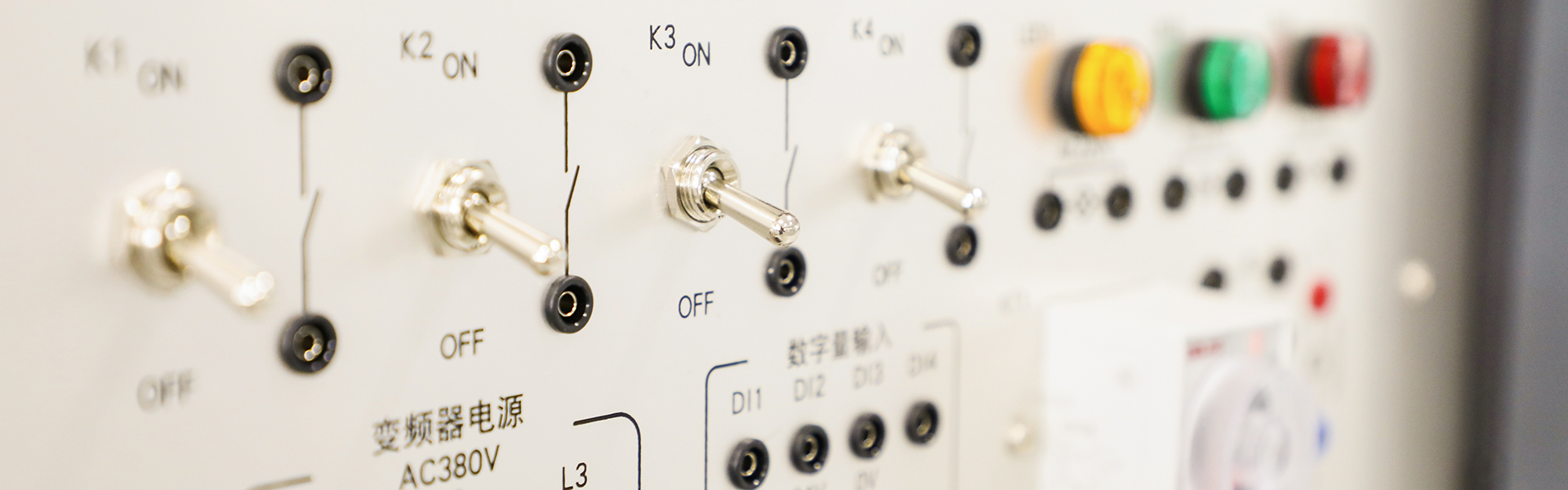
Abstract: Control cables are an essential component in modern industrial and commercial applications. They provide reliable transmission of signals and power, ensuring machines, robotics, and automated systems operate safely and efficiently. This article explores the key functions, types, installation considerations, and maintenance tips for control cables, helping businesses optimize performance and minimize downtime.
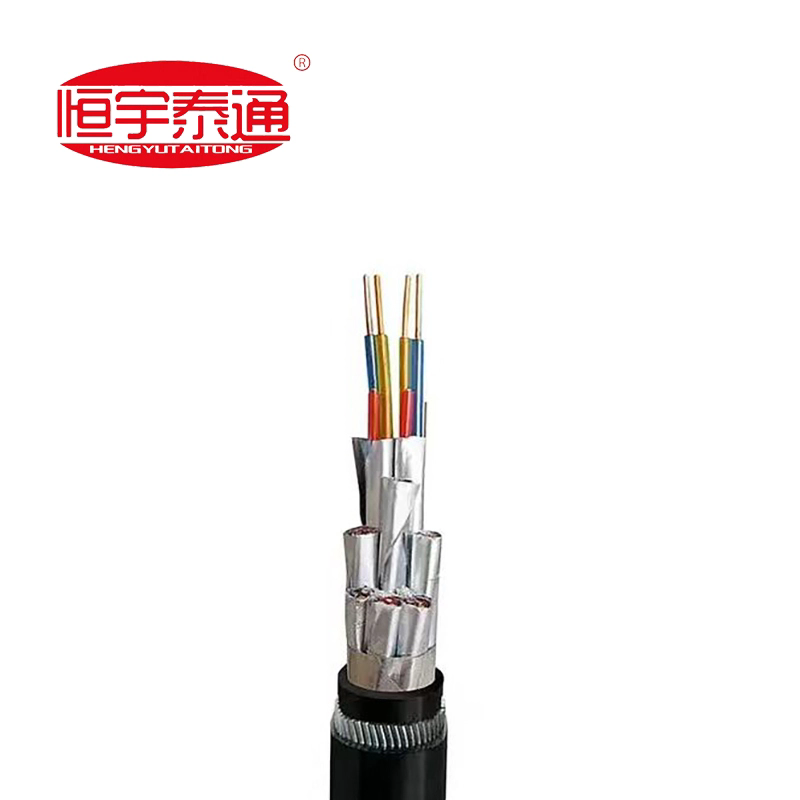
Table of Contents
- Introduction to Control Cables
- Types of Control Cables
- Applications in Industry
- Installation and Handling Tips
- Maintenance and Troubleshooting
- Frequently Asked Questions
- Conclusion & Contact
Introduction to Control Cables
Control cables are specialized wires used to transmit electrical signals between control systems and machinery. Unlike standard power cables, control cables carry low-voltage signals that are critical for precise machine operations. They are widely used in automation, robotics, industrial machinery, and HVAC systems.
Key benefits of using high-quality control cables include:
- Enhanced machine response and accuracy
- Improved safety in industrial environments
- Reduced downtime due to reliable signal transmission
- Flexibility for complex routing in machinery
Types of Control Cables
Control cables vary based on construction, shielding, and flexibility. Choosing the right type ensures optimal performance.
| Type | Description | Typical Application |
|---|---|---|
| PVC Control Cable | Durable, cost-effective, resistant to moisture and abrasion. | General machinery and light-duty automation. |
| Rubber Control Cable | Highly flexible, withstands vibration and bending. | Robotics, moving equipment, and outdoor use. |
| Shielded Control Cable | Has a metallic shield to prevent electrical interference. | Signal-sensitive applications such as PLCs and instrumentation. |
| Instrumentation Cable | Designed for transmitting precise data signals. | Industrial monitoring, sensors, and automation controls. |
Applications in Industry
Control cables are integral to numerous industrial applications. Some common areas include:
- Automated Manufacturing: Ensuring robotic arms and conveyor systems operate with precise control.
- Energy Sector: Managing turbines, generators, and control panels.
- Construction Equipment: Reliable control of cranes, lifts, and earthmoving machinery.
- Marine and Transportation: Steering, engine control, and monitoring systems.
Using high-quality control cables from reputable suppliers like Taitong Cable helps reduce operational failures and maintain efficiency across all sectors.
Installation and Handling Tips
Proper installation is crucial for maintaining the longevity and performance of control cables. Consider the following best practices:
- Avoid Sharp Bends: Bend radius should comply with manufacturer guidelines.
- Use Proper Conduits: Protect cables from mechanical damage and moisture.
- Secure Cables: Use clamps and supports to prevent strain.
- Separate Signal and Power Cables: Minimize electromagnetic interference.
- Label Cables: Simplify future maintenance and troubleshooting.
Maintenance and Troubleshooting
Regular inspection and preventive maintenance can prevent costly downtime:
- Inspect insulation for cracks, wear, or moisture penetration.
- Check connectors for corrosion or loose connections.
- Test signal continuity periodically using a multimeter.
- Replace damaged sections immediately to avoid system failure.
Routine maintenance ensures that control cables continue to provide reliable performance in harsh industrial environments.
Frequently Asked Questions
Q1: What is the difference between power cables and control cables?
Power cables carry high-voltage electricity to equipment, while control cables transmit low-voltage signals to manage machine operations.
Q2: Can control cables be used outdoors?
Yes, but outdoor applications require cables with UV resistance, waterproofing, and flexible insulation like rubber-sheathed or specialized PVC cables.
Q3: How long do control cables typically last?
Lifespan depends on operating conditions, installation quality, and maintenance. High-quality cables from Taitong Cable can last 10–15 years under proper care.
Q4: How do I choose the right control cable?
Consider voltage rating, flexibility, shielding requirements, environmental exposure, and the type of machinery or automation system.
Conclusion & Contact
Control cables are a critical component for industrial efficiency and safety. Selecting the right type, installing properly, and maintaining regularly can prevent downtime and improve performance. For businesses seeking reliable solutions, Taitong Cable offers a wide range of high-quality control cables suitable for various industrial applications. Explore our products and contact us to get expert advice and quotations.