
How Can the Right Cut out Fuse Improve Grid Protection and Lower Maintenance Pressure?
2026-04-10
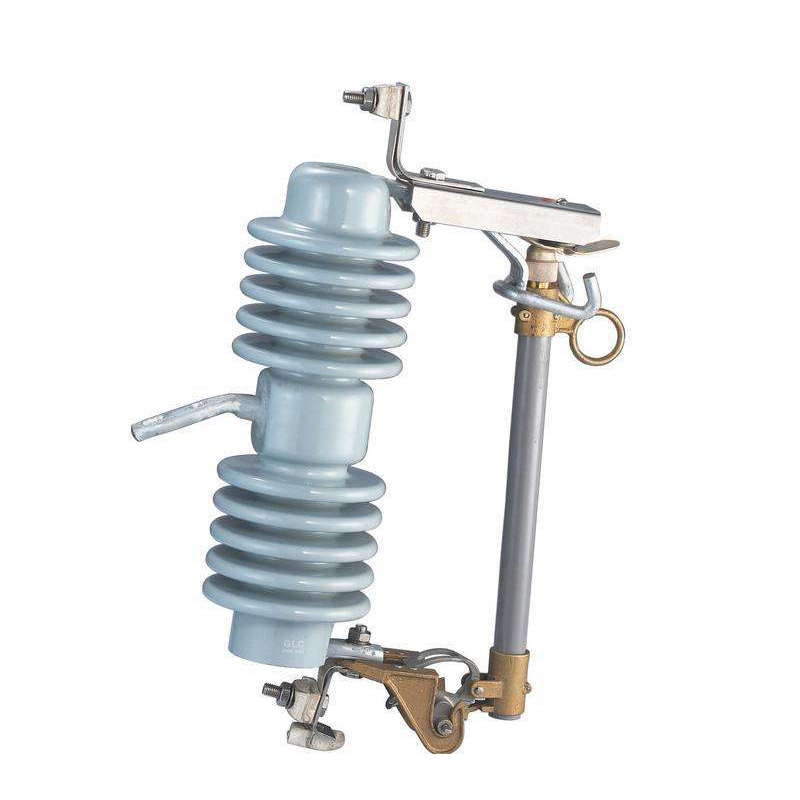
When I evaluate outdoor power distribution protection, I do not only look at interrupting faults. I also look at visibility, maintenance safety, weather resistance, and how easily a product can fit into different operating conditions. That is exactly where Wenzhou Xifa Electrical Equipment Co., Ltd. gradually comes into view for buyers who are comparing practical protection solutions, because a dependable Cut out Fuse is not just a simple protective part. It is a working decision that affects line stability, transformer safety, maintenance efficiency, and long-term operating cost.
In many distribution projects, buyers are under pressure from several directions at once. They need reliable fault isolation, they need outdoor durability, and they need products that can be sourced with stable quality and sensible lead times. From my perspective, choosing the right Cut out Fuse means choosing a product that can perform under real field conditions instead of looking good only on a technical sheet. That is why I focus on structure, material stability, ease of replacement, and adaptation to different voltage and current requirements before making any purchasing decision.
Why Does a Cut out Fuse Matter So Much in Outdoor Distribution Systems?
I often see buyers focus heavily on major switchgear while underestimating smaller protective components. In reality, a properly selected Cut out Fuse plays a critical role in preventing damage from overload and short-circuit events on distribution lines and transformers. In outdoor environments, protection devices must do more than trip when needed. They must also remain stable through heat, rain, UV exposure, pollution, and long service intervals.
What makes this especially important is that outdoor distribution systems usually operate in conditions that are not ideal. Rural lines, industrial sites, utility projects, and renewable energy support systems may all face contamination, vibration, temperature swings, or seasonal storms. If a fuse cutout is poorly built or poorly matched, replacement frequency rises, downtime increases, and maintenance teams face more unnecessary risk.
- I need clear fault isolation that helps reduce equipment damage.
- I need dependable outdoor performance over a long service life.
- I need replacement and inspection work to stay simple and safe.
- I need product specifications that can be matched to actual project demands.
- I need purchasing value, not just a low upfront unit price.
What Problems Do Buyers Usually Face When Choosing a Cut out Fuse?
From a sourcing perspective, the biggest problem is not the lack of options. It is the number of options that look similar on paper but perform very differently in the field. I have seen buyers struggle with inconsistent component quality, limited technical support, weak weather resistance, and products that create installation headaches because they were not selected with application details in mind.
Another common issue is the mismatch between operational conditions and product design. A buyer may choose a unit based mainly on price, then discover later that contamination resistance, insulation material, hardware consistency, or fuse tube durability are not good enough for the intended environment. At that point, the total cost rises because maintenance becomes more frequent and replacement cycles become shorter.
| Buyer Concern | What It Means in Real Projects | Why It Should Influence Selection |
|---|---|---|
| Fault protection reliability | Transformers and lines need fast isolation during abnormal current events | Weak performance can increase equipment damage and outage risk |
| Outdoor durability | Products face UV, moisture, dust, and temperature variation | Durable construction reduces failure and replacement frequency |
| Maintenance visibility | Technicians need a clear and manageable disconnect point | Better visibility supports safer field operations |
| Specification matching | Voltage, current, installation environment, and system layout vary | Correct matching improves both safety and service life |
| Supply consistency | Projects often require repeat orders and predictable quality | Stable manufacturing reduces procurement risk over time |
How Do I Judge Whether a Cut out Fuse Is Truly Suitable?
I prefer to assess suitability from the viewpoint of application performance rather than generic promotion language. A good product should help me solve practical issues in the field. That means I look at insulation quality, hardware reliability, structural stability, ease of handling, and whether the manufacturer can support specification alignment for different project demands.
In this category, buyers usually value a few things above all else. First, they want the product to perform consistently when abnormal current conditions occur. Second, they want outdoor endurance that supports long service periods. Third, they want a structure that makes replacement and maintenance more efficient. And finally, they want a supplier that understands that grid protection is not a one-size-fits-all purchase.
- I look for robust material choices that support outdoor exposure.
- I pay attention to whether the unit design supports stable operation over time.
- I prefer products that simplify handling for maintenance personnel.
- I value suppliers that can discuss voltage, current, and environmental matching clearly.
- I always weigh lifecycle value instead of chasing the cheapest quotation.
Which Product Strengths Make the Difference in Daily Operation?
In my view, the most useful strengths are the ones that reduce trouble after installation. A well-designed Cut out Fuse should support dependable interruption performance, tolerate outdoor stress, and minimize the burden on service teams. That is where product design matters far more than flashy wording. When materials, insulation, contact components, and assembly consistency are handled properly, the result is not only better protection but also more stable asset management.
I also think flexibility is a major purchasing advantage. Different projects may require different voltage classes, current ratings, or environmental adaptations. A supplier that can respond to these demands with practical customization support is much more useful than one that only offers a narrow standard catalog. For global buyers, that flexibility can make procurement smoother and project execution more predictable.
| Operational Need | Preferred Product Strength | Expected Benefit |
|---|---|---|
| Transformer and line protection | Reliable fault interruption behavior | Reduced risk of equipment loss and service interruption |
| Outdoor installation | Weather-resistant structural design | Longer service life in demanding environments |
| Routine replacement work | Practical handling and accessible configuration | Lower maintenance effort and better field efficiency |
| Project-specific sourcing | Specification and customization support | Closer fit to real network requirements |
| Long-term procurement planning | Stable production and quality control | More predictable purchasing outcomes |
What Should I Compare Before Placing an Order?
Before I send any inquiry, I compare more than price. I want to understand whether the supplier can support product selection logically and whether the product itself reflects manufacturing discipline. For utility-related equipment, weak consistency is expensive. A lower unit price can quickly become a higher operating cost when performance varies or replacements become frequent.
Here is the kind of checklist I would use before moving forward with a supplier:
- Does the product align with the target voltage and current range of the application?
- Is the structure appropriate for long-term outdoor service?
- Can the supplier discuss use conditions clearly instead of replying with generic sales language?
- Is there evidence of organized manufacturing and quality control?
- Can the supplier handle OEM or project-specific requests when needed?
- Will communication remain efficient after the order is placed?
This is one reason many buyers prefer to work with manufacturers that already understand export expectations. Clear technical communication, better consistency, and realistic support during selection all help reduce friction in the buying process. When I source a Cut out Fuse, I am not only buying a component. I am buying predictability.
Is a Reliable Supplier Just as Important as the Product Itself?
Absolutely. Even a strong design can become a weak purchasing experience if the supplier lacks manufacturing discipline or cannot support technical communication. In B2B sourcing, reliability is a full-package issue. It includes product quality, response speed, specification understanding, documentation habits, and the ability to support repeat orders without creating new uncertainty every time.
That is why I pay attention to suppliers that present themselves as long-term manufacturing partners rather than simple traders of standard products. For buyers managing utility, industrial, or infrastructure projects, consistency is not optional. It directly affects installation planning, stock management, service scheduling, and customer confidence.
When I look at a product category like Cut out Fuse, I value a supplier that can combine practical design, organized production, and market-facing service. That combination helps buyers reduce both technical and commercial risk.
How Can the Right Cut out Fuse Support Lower Total Cost Over Time?
Many buyers focus on the purchase quote first, which is understandable. But if I only compare unit price, I may miss the real cost drivers. Outdoor protection equipment affects inspection frequency, spare stock planning, replacement labor, downtime exposure, and field safety. A more dependable Cut out Fuse can create better long-term value by reducing disruption and helping maintenance teams work more efficiently.
In practical terms, lower total cost often comes from five areas:
- Fewer premature replacements in harsh environments
- More stable protection performance across operating cycles
- Lower risk of avoidable transformer and line damage
- Simpler inventory planning through better product consistency
- Reduced communication delays when technical support is needed
For serious buyers, these points are often more important than a small initial price gap. The best purchasing decision is usually the one that supports stable operation long after shipment has arrived.
What Makes This the Right Time to Send an Inquiry?
If you are reviewing outdoor protection products for a utility project, line upgrade, transformer application, or industrial power distribution plan, this is the right time to compare options carefully and ask sharper questions. A well-matched Cut out Fuse can help you improve operational safety, strengthen system protection, and reduce avoidable maintenance pressure across the full service cycle.
If you want to source from a manufacturer that understands practical project requirements, communicate your technical needs clearly, and support your purchasing process with more confidence, contact us today. I recommend reaching out to Wenzhou Xifa Electrical Equipment Co., Ltd. for product details, specification matching, and quotation support. Send your inquiry now and let the right Cut out Fuse solution work for your next project.