
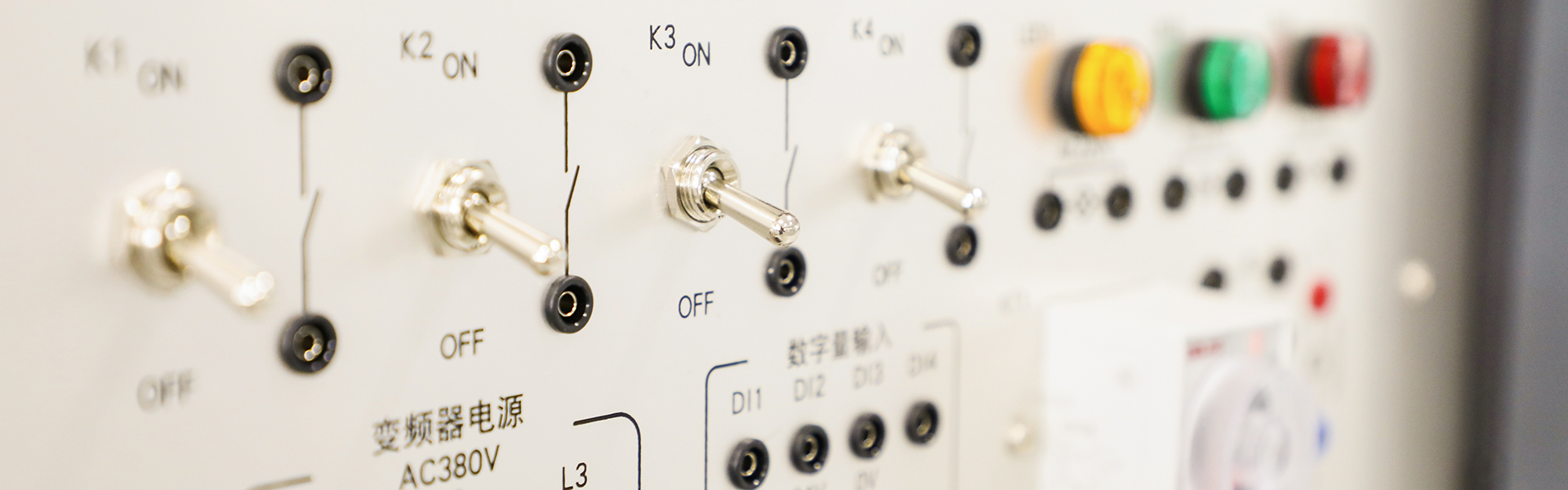
Are Your AC Electrical Components Ready to Protect Real-World Power Systems?
2026-03-18
When I look at modern power distribution challenges, I do not see a simple need for parts alone. I see a need for safer operation, faster maintenance, steadier performance, and fewer costly failures. That is why Zhejiang Soutya New Energy LLC has gradually become part of the conversation when buyers, contractors, panel builders, and project engineers start evaluating AC electrical components for practical use in commercial, industrial, and energy-related applications. I believe the right product choice should not only meet a specification sheet, but also reduce daily operating pressure, simplify installation, and improve long-term confidence across the entire system.
In many projects, the real pain point is not finding a supplier. The real problem is finding AC electrical components that can perform consistently when conditions are less than perfect. Voltage fluctuation, surge exposure, installation constraints, mixed loads, expansion plans, and maintenance schedules all place pressure on the same system. If the components are weak, the whole distribution setup becomes vulnerable. If the components are selected well, the system becomes easier to protect, easier to manage, and easier to scale.
Why Do So Many Buyers Struggle When Choosing AC Electrical Components?
I often see the same concerns repeated across different markets. Buyers are not just comparing prices. They are trying to avoid hidden costs that appear later in the form of downtime, callbacks, replacement work, and customer complaints. A component that looks acceptable on paper may still create trouble if it is difficult to install, unreliable under load, or poorly matched to the application.
- I need stable protection against overload and short circuit without making the panel overly complicated.
- I want installation to be efficient because labor cost matters as much as material cost.
- I need product options that fit residential, commercial, and industrial use without changing suppliers every time.
- I want maintenance teams to identify and replace parts quickly.
- I need confidence that the system can handle long-term operation, not just pass an initial inspection.
These are exactly the issues that make product selection more strategic than many people expect. Good AC electrical components help solve these problems before they become expensive site issues.
What Makes Reliable AC Electrical Components More Valuable Than a Low Upfront Price?
I always remind buyers that the visible product cost is only one part of the equation. The larger cost usually appears later. A low-cost component may lead to repeated replacement, inconsistent tripping behavior, greater service interruptions, or poor coordination with the rest of the system. In contrast, well-designed AC electrical components bring value in ways that are easier to feel on the job site than to describe in a quotation.
| Buyer Concern | What Better Components Help Improve | Why It Matters in Daily Operation |
|---|---|---|
| Unexpected downtime | More dependable circuit protection and surge control | Helps keep equipment and distribution systems running with fewer interruptions |
| High maintenance burden | Clearer product structure and easier replacement workflow | Reduces service time and labor pressure |
| Installation inefficiency | Practical form factors and easier panel integration | Speeds up assembly and commissioning |
| System expansion risk | Better compatibility across multiple application scenarios | Makes future upgrades more manageable |
| Safety exposure | More consistent response to overload, faults, and surges | Improves protection for equipment and personnel |
For me, this is where product quality becomes a business decision rather than a purchasing line item. If a component helps reduce downtime and installation friction, it is already creating value beyond its basic function.
How Can the Right Product Range Support Different Power Protection Needs?
One reason buyers search for a more dependable source is that real projects rarely rely on a single protective device. A complete AC-side protection strategy may involve circuit breakers, surge protection devices, and switching solutions working together. When the product range is organized clearly, buyers can build more coherent systems instead of mixing unrelated parts from multiple channels.
From my perspective, that matters because different environments demand different priorities. A residential system may focus on compact protection and ease of use. A commercial panel may need more structured coordination and reliable continuity. An industrial setup may require stronger confidence under heavier operating demands. Choosing AC electrical components from a manufacturer that understands this wider picture helps make the selection process less fragmented.
- AC circuit breakers help manage overload and short-circuit protection in everyday distribution systems.
- Knife switches support visible isolation and operational control where manual switching remains important.
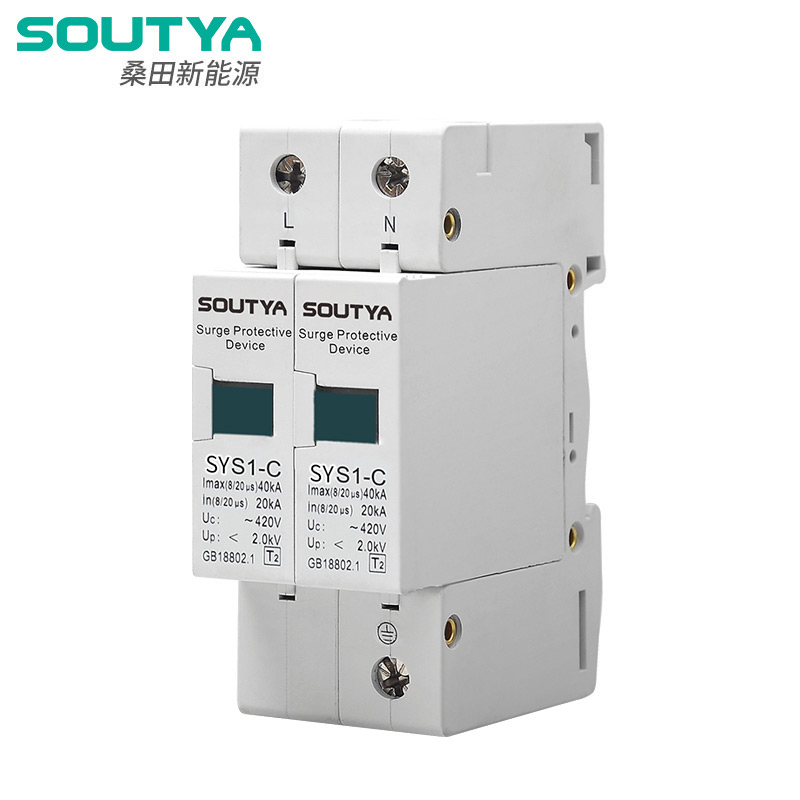
- AC surge protective devices help reduce the risk of damage from transient overvoltage and lightning-related events.
When I evaluate a supplier, I do not only ask whether these products exist. I ask whether they work together in a way that makes site planning simpler for the buyer.
Why Do Installers and Panel Builders Care So Much About Practical Design?
Because installation reality is unforgiving. On paper, many products can look similar. On site, small differences suddenly matter. Terminal arrangement, mounting convenience, panel fit, wiring access, replacement speed, and labeling clarity can all affect whether a project moves smoothly or turns into a delay.
I have seen many buyers shift their priorities after enough field experience. They stop asking only whether a product can work, and start asking whether it can work efficiently. That is a smarter question. Well-designed AC electrical components save time during assembly, reduce avoidable mistakes, and help technicians work with more confidence during maintenance and troubleshooting.
| Practical Design Factor | What Buyers Usually Want | Operational Benefit |
|---|---|---|
| Compact structure | Better use of panel space | Supports cleaner layout and easier expansion |
| Convenient installation | Faster assembly process | Helps reduce labor time |
| Clear identification | Simpler inspection and servicing | Improves maintenance efficiency |
| Application flexibility | Broader use across project types | Reduces sourcing complexity |
Can Better AC Electrical Components Help Lower Long-Term Project Risk?
Yes, and this is often where the buying decision becomes clearer. Most project teams do not want to revisit the same panel again and again because of preventable component problems. They want smoother inspections, stable performance, and fewer service complaints after installation. That is why I see long-term reliability as one of the strongest selling points for quality AC electrical components.
Long-term risk is not only about catastrophic failure. It also includes small but costly issues such as inconsistent operation, avoidable parts replacement, difficult servicing, and weak surge resilience. Over time, these issues reduce confidence in the full electrical system. A stronger component strategy helps protect not only equipment, but also project reputation.
- I can reduce the chance of repeat maintenance caused by underperforming protection devices.
- I can help clients feel more secure about daily operation and load management.
- I can support a more professional delivery standard for OEM, contractor, and distributor projects.
- I can make future upgrades less disruptive by starting with a stronger AC-side foundation.
What Should Buyers Really Look For Before Sending an Inquiry?
If I were advising a buyer before placing an order, I would focus on a few practical questions. Is the product range suitable for the target application? Does the supplier understand protection coordination on the AC side? Will the components be easy to integrate into existing or new systems? Can the supplier support repeat orders with stable quality expectations? These questions matter far more than decorative marketing language.
That is also why a company discussion should go beyond catalog claims. Buyers need to know whether the source behind the product can support real deployment needs. In that context, Zhejiang Soutya New Energy LLC stands out more naturally when the conversation turns to usable, application-focused AC electrical components rather than generic product listings.
Are You Ready to Choose AC Electrical Components That Make Your Next Project Easier?
If you are comparing options for safer distribution, better surge protection, easier panel integration, and more dependable long-term performance, now is the right time to take a closer look at AC electrical components that are selected with real operating conditions in mind. If you want product support that helps you reduce installation pressure, improve protection confidence, and move your project forward with fewer hidden risks, contact us today. I encourage you to send your inquiry, discuss your application needs, and let us help you find the right solution for your next order.