

Reliable Oil-Injected Compressor: Key Features and Maintenance Tips
2026-10-02
Most compressor maintenance guides read like a parts list—change the oil, inspect the filters, repeat. But what actually separates a reliable oil-injected compressor from one that nickels-and-dimes you to death? That is what we are going to unpack here, feature by feature and tip by tip, so you can stop guessing and start preventing failures. And when it comes to machines built for the long haul, Seize Air has learned a thing or two about keeping compressed air flowing without the drama.
Why Oil-Injected Compressors Run Cooler and Last Longer
Oil-injected compressors keep internal temperatures lower because the oil absorbs a large share of the heat generated during compression. Rather than letting the air or metal components soak up all that thermal energy, the circulating oil carries it away to a cooler or radiator. This constant heat transfer prevents hot spots from forming on bearings, rotors, and seals—parts that would otherwise expand unevenly and wear out faster.
The same oil film that cools also creates a protective barrier between moving surfaces. Metal-to-metal contact is drastically reduced, so friction stays low even under continuous load. Less friction means less additional heat, which in turn keeps the oil from breaking down prematurely. As a result, the compressor can run for longer stretches without the overheating shutdowns that plague dry-running designs.
Longevity also gets a boost from the way oil traps and carries away microscopic debris. Dust, wear particles, and varnish precursors are flushed out of the compression chamber and captured in the separator and filter. With fewer abrasive contaminants circulating through the airend, components keep their original tolerances for years instead of months. That combination of lower heat, reduced friction, and cleaner internals is why oil-injected machines often outlast their oil-free counterparts in demanding industrial settings.
Seals and Gaskets as Silent Reliability Partners
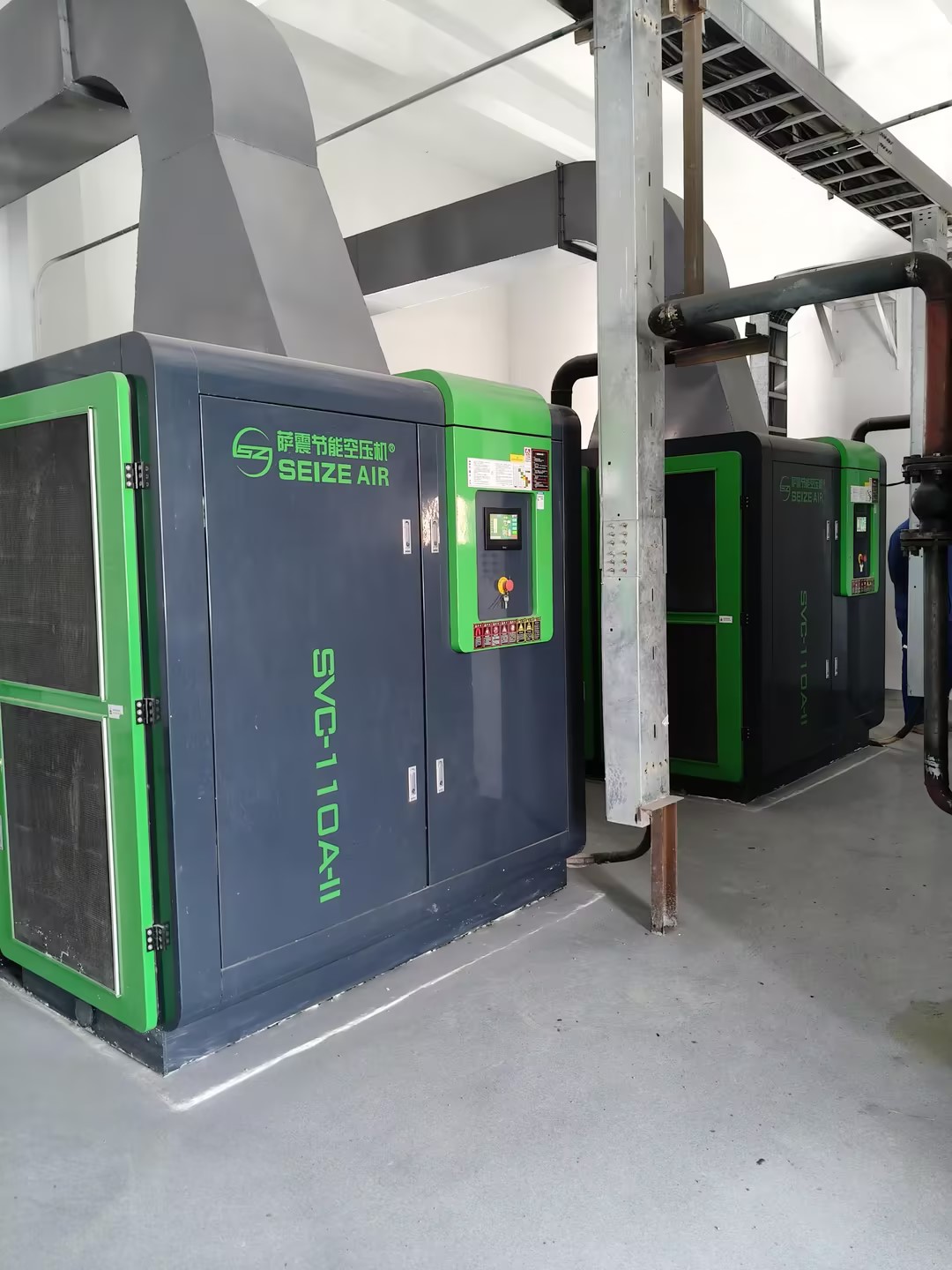
In a pumping station or hydraulic press, the loudest parts get the most attention—motors, pistons, couplings. Yet the quietest components, the seals and gaskets tucked between mating surfaces, often determine whether a machine runs for years or fails in weeks. These parts absorb pressure spikes, thermal cycling, and chemical exposure without a single moving part of their own. Their reliability isn't advertised in spec sheets, but it shows up in leak-free operation and predictable maintenance windows.
What makes a seal or gasket a true partner is its ability to compensate for imperfections. No flange is perfectly flat, no shaft perfectly round. The right gasket material flows just enough under bolt load to fill microscopic valleys, while a lip seal flexes to follow shaft runout. This silent adaptation prevents fugitive emissions, contamination, and lubricant loss. Choosing a generic off-the-shelf part here can quietly erode efficiency, whereas a well-matched material—say, an FKM compound for aggressive fuels or a graphite-filled spiral wound for high-temperature steam—turns a static component into an active safeguard.
Reliability engineers often talk about failure modes, and seals rarely get credit until they're absent from the data. A plant with a strong gasket management strategy sees fewer unplanned shutdowns, less product waste, and longer intervals between overhauls. The seals don't ask for maintenance; they just keep the system honest, holding pressure where it belongs and keeping contaminants out. That's the kind of partner that doesn't need a nameplate.
Five-Minute Checks That Save Hours Later
Most of the problems that eat an afternoon start small. A loose cable, an unsaved file, a calendar invite you never opened. Spending five minutes to walk through a short list before you leave the house or close your laptop sounds boring, but it works. Check the door locks, glance at tomorrow's schedule, confirm your wallet and keys are in the same pocket, and make sure the stove is off. That little loop is faster than driving back or redoing three hours of work.
At work, the same idea applies. Before you send a report or push an update, open the file one more time and read the first line. Check the recipient list, the attachment, and the date. If you're coding, run the smallest test possible. Five minutes of verification now beats a long fix later, because the mistake hasn't had time to spread.
You don't need a complex system. Keep a note on your phone or a sticky note on the door. The point is to make the check physical and repeatable, not to memorize a giant list. Once it becomes habit, those five minutes disappear into your routine, and you stop losing evenings to things that could have been caught before lunch.
Matching Oil Viscosity to Your Working Conditions
Viscosity selection starts with the actual temperature range the equipment will see, not just the ambient weather. A hydraulic system in a cold storage facility needs an oil that still flows at startup, while the same machine stationed near a furnace may require a heavier grade to maintain film strength when hot. Check the manufacturer's viscosity recommendations at both the lowest cold-start temperature and the highest sustained operating temperature. If your conditions exceed those charts, you might have to adjust by one grade or use a multigrade oil with VI improvers.
Load and speed also influence the right choice. Slow, heavily loaded gearboxes or bearings typically need higher viscosity to keep metal surfaces separated, whereas high-speed, lightly loaded components can suffer from churning losses if the oil is too thick. Pay attention to how the machine actually runs day to day. A compressor that cycles frequently in a dusty yard may run hotter than the datasheet suggests, pushing a borderline oil into a thinner effective viscosity and risking wear.
Don't oversimplify by picking one all-season grade without testing. Record oil temperatures during peak operation and use that data, along with startup conditions, to fine-tune viscosity. Sometimes a small change, like moving from ISO VG 32 to VG 46 or adding a synthetic with better low-temperature flow, can solve both cold-start sluggishness and high-temperature thinning. It's about balancing protection and efficiency under your specific working conditions.
Signs Your Filter Is Overdue for Replacement
A sudden drop in water pressure from your faucet often means the filter media is clogged with trapped sediment. Even after cleaning the aerator and confirming the valve is fully open, if the flow remains weak, the filter itself is likely restricting passage and needs replacing.
Taste and odor changes are hard to ignore. When the filtered water starts carrying a faint chlorine tang, a musty undertone, or a metallic bite that wasn't there before, the activated carbon or other adsorption layers have reached their capacity. No amount of flushing will restore the original crispness once that happens.
Visible particles in the water, discoloration of the filter housing, or a slimy film on the outlet are also clear warnings. If you can see sediment escaping, the internal seal or membrane may have failed, and continuing to use it can push contaminants through instead of catching them.
Storage Mistakes That Lead to Hard Starts
The most common culprit is fuel left sitting in the tank all winter. Even a few months is enough for the lighter compounds to evaporate, leaving behind a sticky varnish that clogs tiny carburetor passages. When you try to start the engine in spring, the fuel pump may whine, but the jets simply can't deliver a clean mist.
Another overlooked detail is failing to run the carburetor dry before storage. The bowl may look empty, but a thin film of fuel remains. As it evaporates, it hardens into a crust around the float needle and main jet. That tiny blockage is often why an engine cranks hard, catches briefly, then dies.
Even if you add a stabilizer, it only works when mixed with fresh fuel and run through the system for a few minutes. Pouring it into a nearly full tank and immediately shutting down doesn't circulate the treated fuel into the carburetor. For reliable starts after months of sitting, drain the carburetor or run the engine until it stalls from fuel starvation, then keep the tank nearly full to reduce moisture buildup.
FAQ
The oil film on rotors and bearings handles continuous duty cycles without overheating, and the sealed lubrication system reduces wear on moving parts. For tools that run all day, that durability usually outweighs the extra maintenance.
Start with the manufacturer's hours rating, usually between 2,000 and 4,000 hours, then adjust based on how dusty or humid the room gets. If the oil darkens quickly or the machine runs hot, shorten the interval rather than waiting for a fixed schedule.
Draining condensate from the tank and moisture traps doesn't get done nearly enough. Water sitting in the system promotes rust, contaminates the oil, and can freeze in cold weather, so a quick daily drain saves a lot of trouble.
Frequent top-ups often mean the air-oil separator is saturated or damaged, letting oil escape into the air line. Worn piston rings or shaft seals can also be culprits, so it's worth checking the separator first because it's the easiest to replace.
No. Rotary screw compressors need oil with specific anti-foaming and thermal stability additives. Automotive or hydraulic oils break down faster, form varnish on rotors, and reduce cooling, which can turn a small saving into an expensive rotor replacement.
Hot inlet air raises discharge temperatures, which thins the oil and speeds up oxidation. The oil then loses its ability to seal and cool, so keeping the intake away from other heat sources or improving room ventilation directly extends oil life.
Change the oil and filters first so acidic byproducts don't sit on metal surfaces, then run the unit for a few minutes to circulate clean oil. Close all valves, seal the intake, and store it in a dry space. A desiccant breather helps if humidity is high.
Conclusion
A reliable oil-injected compressor isn't just about the pump; it's the combination of thermal control, sealing integrity, and lubrication choices that keeps downtime off the schedule. These machines run cooler because the oil absorbs and carries away compression heat, which reduces thermal stress on bearings, rotors, and housings—so they genuinely last longer when the oil is kept within its service window. Seals and gaskets often get overlooked, but they do the quiet work of holding pressure and keeping contaminants out; any seepage or hardening there can undermine the whole system. Matching oil viscosity to your working conditions matters more than brand loyalty. In cold starts or hot, dusty environments, the wrong grade can turn into sludge or thin out enough to starve moving parts, so treat the manufacturer's viscosity chart as a starting point, not a suggestion.
Daily reliability also comes from small habits. Five-minute checks—oil level, drain moisture, listen for unusual knocking, inspect hose connections—catch problems before they become service calls. Filters tell you when they're done: reduced airflow, increased pressure drop, or visible dirt around the intake mean the element is overdue, and running a clogged filter forces the compressor to work harder and hotter. Finally, storage mistakes cause more hard starts than mechanical faults. Letting condensate sit in the tank, parking the unit in freezing temperatures without proper oil, or leaving the receiver pressurized for weeks invites rust and sluggish first starts. A clean, dry, depressurized storage routine preserves seals, valves, and the oil itself, so the machine fires up without a fight when you need it.
Contact Us
Contact Person: Mia
Email: [email protected]
Tel/WhatsApp: +86 19821985894
Website: https://www.seize-air.com