
Medium Voltage Switchgear: Top Manufacturers and Innovative Solutions for Industrial Power Systems
2025-12-20
In the intricate web of industrial power systems, medium voltage switchgear stands as a critical component, ensuring safety, reliability, and efficiency. As industries globally strive for smarter, more resilient infrastructure, exploring the top manufacturers and cutting-edge solutions becomes paramount. This blog delves into key players and innovative strategies shaping the sector, shedding light on how advancements are revolutionizing power management. We'll also highlight CNKEEYA – a rising force known for its tailored switchgear solutions that prioritize durability and adaptability. Their approach mirrors the industry's shift toward sustainable, high-performance systems. Stay tuned to uncover insights that could transform your operations and drive your next power upgrade decision.
Essential Features of Medium Voltage Switchgear for Enhanced Industrial Power Reliability
When it comes to bolstering industrial power reliability, medium voltage switchgear plays a pivotal role by seamlessly managing electrical distribution in the 1 kV to 36 kV range. Unlike basic setups, this equipment integrates advanced components like circuit breakers, relays, and sensors to quickly isolate faults and prevent cascading outages. It’s not just about flipping switches; it’s about safeguarding critical operations in factories, refineries, and data centers where downtime can lead to massive financial losses. By ensuring a stable power flow, these systems become the backbone of resilient industrial infrastructure, adapting to fluctuating loads and harsh environmental conditions without breaking a sweat.
One standout feature is the robust arc-flash protection, which goes beyond mere safety compliance to actively mitigate risks in high-energy environments. Modern switchgear often incorporates intelligent monitoring systems that provide real-time data on performance, enabling predictive maintenance rather than reactive repairs. This proactive approach reduces unplanned interruptions, extending equipment lifespan and optimizing energy efficiency. It’s this blend of durability and smart technology that sets high-quality switchgear apart, offering industries a reliable shield against power disruptions while keeping operational costs in check.
Moreover, customizability is key—these systems are designed to be modular and scalable, allowing for easy upgrades as industrial demands evolve. Whether it’s integrating renewable energy sources or enhancing cyber-physical security, adaptable switchgear ensures long-term reliability without requiring a complete overhaul. This flexibility makes it a smart investment, as it not only meets today’s power needs but also future-proofs operations against emerging challenges, ultimately driving productivity and peace of mind in dynamic industrial landscapes.
Leading Manufacturers Revolutionizing Medium Voltage Switchgear Technology
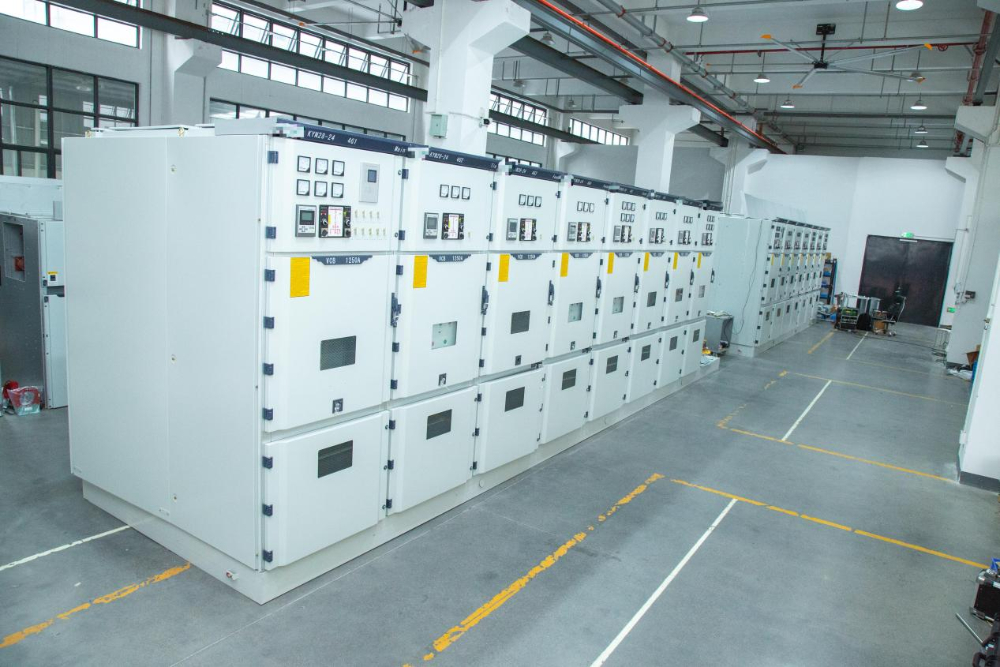
In today's energy landscape, medium voltage switchgear technology is undergoing a transformative shift, driven by innovation from key industry players. Pioneering manufacturers are breaking new ground with solutions that prioritize both efficiency and environmental sustainability, pushing the boundaries of what's possible in power distribution systems. These advancements not only enhance operational performance but also set new benchmarks for reliability and safety across various applications.
Companies like Siemens, ABB, and Eaton are at the forefront, introducing intelligent features that integrate with smart grids and renewable energy sources. Their products now incorporate advanced digital monitoring and predictive maintenance capabilities, reducing downtime and operational costs significantly. This evolution reflects a broader trend toward automation and data-driven decision-making in the sector, reshaping how industries manage their power infrastructure.
By focusing on compact designs and eco-friendly materials, these leaders are also addressing growing concerns about space constraints and environmental impact. As a result, medium voltage switchgear is becoming more adaptable and future-ready, playing a crucial role in the transition to cleaner, more resilient energy systems worldwide.
Innovative Solutions in Medium Voltage Switchgear for Modern Industrial Demands
In today's rapidly evolving industrial landscape, medium voltage switchgear is undergoing a transformative shift to meet the complex and dynamic demands of modern factories and facilities. Gone are the days of bulky, maintenance-heavy systems; instead, companies are embracing smarter, more resilient designs that integrate seamlessly with digital ecosystems. These solutions prioritize not just safety and reliability, but also flexibility and scalability, allowing industries to adapt quickly to changing energy needs or expansion plans without costly downtime. Innovations like modular configurations and advanced insulation materials are at the forefront, enabling easier upgrades and reduced environmental impact, while still delivering robust performance in harsh operational conditions.
A key trend driving these advancements is the push towards sustainability and energy efficiency, which has spurred the development of switchgear that minimizes carbon footprints and optimizes power distribution. For instance, new arc-resistant and gas-insulated models significantly lower emissions and enhance worker safety, while intelligent monitoring systems use sensors and IoT connectivity to predict failures before they occur. This predictive maintenance capability slashes unplanned outages and extends equipment lifespans, translating into substantial cost savings for industrial operators. It's no longer just about flipping switches; it's about creating a connected, data-driven infrastructure that empowers facilities to operate smarter and leaner, aligning with global green initiatives and stringent regulatory standards.
Key Applications of Medium Voltage Switchgear Across Diverse Industrial Sectors
Medium voltage switchgear is indispensable in modern industrial settings, ensuring reliable power distribution and protection at voltage levels typically ranging from 1 kV to 52 kV. In the manufacturing sector, these systems are pivotal for controlling heavy machinery and assembly lines, where uninterrupted operation is crucial to minimize downtime and maintain productivity. For instance, automotive plants rely on medium voltage switchgear to manage the high-power demands of robotic welding stations and painting booths, while also integrating with renewable energy sources to enhance sustainability and reduce operational costs.
The energy sector leverages medium voltage switchgear to optimize grid stability and facilitate the integration of distributed generation, such as solar and wind farms. In oil and gas operations, these systems are deployed to safeguard critical infrastructure like drilling rigs and pipelines from electrical faults, ensuring safety in hazardous environments. Advanced digital monitoring features allow for real-time diagnostics, enabling predictive maintenance and reducing the risk of costly failures. This adaptability makes switchgear a cornerstone in industries where power quality and resilience are non-negotiable.
Beyond traditional sectors, medium voltage switchgear finds innovative applications in data centers and commercial facilities, where it supports the increasing power density of server racks and cooling systems. In water treatment plants, it ensures continuous operation of pumps and filtration units, vital for public health. By offering modular designs and enhanced safety mechanisms, modern switchgear solutions cater to diverse needs, from retrofitting aging infrastructure to enabling smart grid technologies in urban developments.
Advancements in Safety and Efficiency in Medium Voltage Switchgear Design
Recent innovations in medium voltage switchgear design have dramatically improved operational safety and efficiency, particularly through the integration of smart monitoring systems and robust materials. For instance, modern units now incorporate sensors that continuously track temperature fluctuations and current loads, enabling early detection of potential faults before they escalate into hazardous situations. This proactive approach not only minimizes downtime but significantly reduces the risk of electrical fires or equipment damage.
Efficiency gains are equally notable, with advancements like vacuum interrupters and gas-insulated switchgear (GIS) leading to more compact, energy-saving designs. Breakthroughs in insulation technologies, such as SF6-free alternatives, contribute to lower energy losses and reduced environmental impact, while streamlined maintenance features cut operational costs. These developments allow for greater reliability in power distribution, even in demanding industrial or urban settings.
Ultimately, these improvements make medium voltage switchgear more resilient and user-friendly. Enhanced safety protocols, combined with intuitive interfaces, empower operators to manage systems with greater confidence and precision. As the focus shifts toward sustainable and automated energy grids, these design advancements are setting new benchmarks for performance and protection across the sector.
Future Trends and Sustainability in Medium Voltage Switchgear Development
The evolution of medium voltage switchgear is increasingly driven by digitalization and smart grid integration, with key trends focusing on advanced sensors and IoT connectivity that enable real-time monitoring and predictive maintenance, reducing downtime and enhancing reliability. Manufacturers are prioritizing compact designs and modular architectures to optimize space in urban and industrial settings, while innovations like vacuum and SF6-free switching technologies address environmental concerns by minimizing greenhouse gas emissions and improving safety, aligning with global sustainability goals and stricter regulatory standards.
Sustainability efforts in medium voltage switchgear extend beyond operational efficiency to include lifecycle management, where companies are adopting circular economy principles through recyclable materials and energy-efficient production processes, aiming to lower the carbon footprint across the entire value chain. This shift supports not only ecological balance but also economic viability by reducing long-term costs and fostering resilience in energy infrastructures, making it a strategic priority for stakeholders in the power distribution sector.
Looking ahead, the integration of renewable energy sources and energy storage systems is reshaping switchgear requirements, prompting the development of more flexible and adaptive designs that can handle fluctuating loads and decentralized power generation. These advancements position medium voltage switchgear as a critical enabler for sustainable energy transitions, contributing to a more stable and eco-friendly grid that meets the demands of modern, resource-conscious societies.
FAQ
Leading manufacturers typically distinguish themselves through advanced safety features like arc-resistant designs, robust R&D investments for smart grid compatibility, and global service networks that ensure rapid technical support, which smaller players might lack.
By integrating digital monitoring systems, modern switchgear allows real-time diagnostics and predictive maintenance, reducing unplanned downtime. Features like vacuum or SF6 interruption technology also boost operational reliability in harsh industrial environments.
Recent innovations include eco-friendly alternatives to SF6 gas, such as vacuum or dry-air insulation, and energy-efficient designs that minimize losses. Some manufacturers also focus on recyclable materials to lower environmental impact.
Industrial settings often have unique power demands, such as high fault currents or space constraints. Customizable switchgear can be tailored with specific protection relays, compact layouts, or specialized enclosures to meet these needs effectively.
They implement rigorous testing standards, like IEEE or IEC certifications, and incorporate safety mechanisms such as interlocks to prevent accidental contact. Training programs for technicians further reduce on-site risks.
Digitalization enables features like IoT connectivity for remote monitoring, data analytics to optimize energy usage, and integration with automation systems, making switchgear smarter and more responsive to grid fluctuations.
Key factors include the equipment's voltage rating and fault tolerance, compatibility with existing infrastructure, total cost of ownership including maintenance, and the manufacturer's track record for reliability and support.
Conclusion
Medium voltage switchgear is a critical component in industrial power systems, enhancing reliability with features like advanced insulation, fault detection, and remote monitoring, as highlighted in discussions of essential characteristics. Leading manufacturers, such as Siemens, ABB, and Schneider Electric, drive innovation by integrating digital technologies and sustainable materials, revolutionizing this technology. These efforts support modern industrial demands, including smart grids and renewable energy integration, offering solutions that improve efficiency and adaptability. By focusing on safety advancements, such as arc-resistant designs and automated controls, and key applications across sectors like manufacturing and utilities, these systems ensure robust power distribution.
Future trends point toward sustainability and smart development, with trends like IoT integration and eco-friendly components shaping the next generation of medium voltage switchgear. This evolution not only boosts operational efficiency but also aligns with global environmental goals, positioning these systems as vital for resilient and forward-thinking industrial infrastructure. Through continuous innovation and a focus on diverse applications, medium voltage switchgear remains at the forefront of power system advancements, delivering reliable and innovative solutions tailored to complex industrial needs.
Contact Us
Contact Person: Queenie
Email: [email protected]
Tel/WhatsApp: +86 15558806611
Website: https://www.cnkeeya.com